

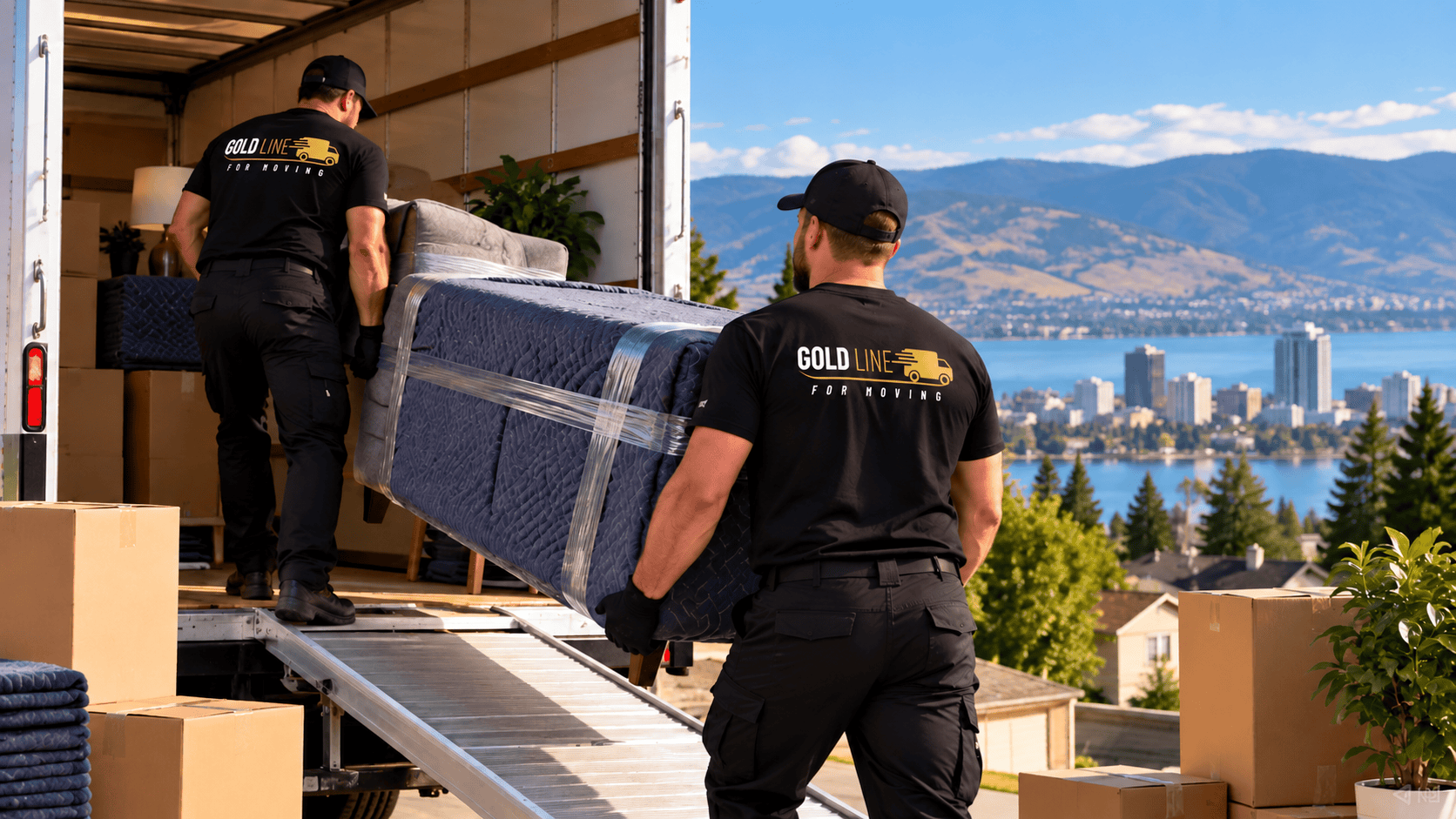
Moving furniture between Vancouver and Kelowna is more complicated than moving items across town. The distance, changing road conditions, different weather patterns, loading requirements, and handling involved can all increase the risk of scratches, dents, broken components, and unexpected delays.
If you are planning Moving furniture Vancouver to Kelowna, the safest approach is to treat the relocation as a transportation project rather than simply loading furniture onto a truck and driving away. Every stage matters, from measuring doorways and preparing furniture to securing the load and planning the route.
A dining table that survives a local move may still become damaged during a longer journey if it is poorly wrapped or allowed to shift inside the vehicle. Similarly, a sectional sofa may fit comfortably through a Vancouver doorway but become difficult to unload if its components were not labelled or protected properly.
This guide explains how homeowners and renters can prepare furniture for a Vancouver-to-Kelowna move, what professional furniture moving services Vancouver to Kelowna typically need to consider, and which mistakes are most likely to cause damage or delays.
Vancouver and Kelowna are connected by major highways, but the journey is not the same as a short residential move. Furniture may spend several hours in transit, and the route can involve mountain roads, elevation changes, traffic, construction, and changing weather.
Long-distance transportation also creates more opportunities for furniture to move inside the truck.
Consider a solid wood dresser. If it is placed directly against another piece without protective padding, repeated movement during transportation can cause surface scratches. A glass cabinet door that is not properly secured can vibrate or swing during transit. Even a sofa can become dirty or torn if it is dragged across loading surfaces without appropriate protection.
Professional movers generally approach these challenges by focusing on three areas:
The goal is not simply to get the furniture from one address to another. It is to arrive with the furniture in the same usable condition in which it left.
Good preparation starts several days before the truck arrives. Waiting until moving morning to decide how a large wardrobe, bed frame, or sectional will be dismantled can create unnecessary pressure.
Start by listing the furniture being moved. Include large and fragile items such as:
Photograph valuable or delicate pieces before packing them. Clear photographs can help document their condition and make it easier to identify any pre-existing marks.
For expensive furniture, record manufacturer details or model numbers where available.
One of the most common causes of moving delays is discovering that an item will not fit through a doorway, stairwell, elevator, hallway, or entrance.
Measure:
This is particularly important for oversized sofas, large desks, wardrobes, and bed frames.
A piece that technically fits through a doorway may still require additional clearance for movers to turn or tilt it safely.
Furniture that can safely be dismantled should usually be prepared before transportation.
Remove detachable legs, shelves, handles, drawers, and other components when appropriate. Keep screws and fittings in labelled bags.
Do not assume every piece should be dismantled, however. Some antique, fragile, or cheaply constructed furniture can become weaker when repeatedly assembled and disassembled.
When uncertain, check the manufacturer’s instructions or ask an experienced mover.
One of the most important aspects of furniture protection during long distance moves is using the right protection for each material.
A blanket may be sufficient for a sturdy wooden table, but it should not automatically be treated as protection for every item.
Wood surfaces can be vulnerable to scratches, dents, moisture, and abrasion.
Before wrapping:
Do not apply tape directly to polished or painted surfaces because adhesive can leave residue or damage the finish.
Sofas, armchairs, and fabric dining chairs need protection from dirt, moisture, and friction.
Use appropriate furniture covers or stretch materials designed for moving. Pay particular attention to exposed corners and areas that could rub against other items.
Leather furniture requires extra care because excessive pressure or poor wrapping can cause scuffing or surface damage.
Treat glass furniture as fragile cargo.
Remove glass panels where practical and wrap them individually with suitable protective material. Clearly identify the package as fragile and avoid placing heavy furniture on top of it.
Mirrors and glass tabletops should generally be transported vertically when appropriate, rather than lying flat beneath heavy loads.
Drawers can open during transportation and become damaged if they strike nearby furniture.
Where appropriate, secure them so they cannot slide open. Doors on cabinets should also be secured without applying adhesive directly to delicate finishes.
Do not overload drawers with packing materials simply to stop them from opening. The added weight can place stress on hinges and drawer runners.
Packing furniture for long-distance transportation requires more than covering everything with blankets.
The purpose of packing is to prevent three main types of damage:
A useful protection system may involve several layers:
Surface layer: Protects the finish from scratches or direct contact.
Padding layer: Absorbs minor impacts and reduces friction.
Outer securing layer: Keeps the protection in place during loading and transit.
Different materials may require different combinations.
For example, a wooden dining table may need corner protection and padded wrapping, while a glass tabletop may require more specialised handling.
Corners are often the first parts of furniture to suffer damage.
Use corner protectors or suitable padding around:
This also protects walls and door frames during carrying.
More wrapping does not always mean better protection.
Excessive materials can make furniture difficult to grip, increase its size, and create handling problems. Professional preparation focuses on the right level of protection rather than simply adding more layers.
The loading process has a major influence on whether furniture arrives safely.
Heavy furniture should generally be positioned to provide a stable foundation for the load. Lighter and more fragile items should not be placed underneath heavy pieces where they can be crushed.
Movers may use techniques such as:
The furniture should not be allowed to move freely inside the truck.
Even a small amount of movement repeated over several hours can cause significant rubbing or impact damage.
When comparing Vancouver to Kelowna furniture movers, do not focus only on the quoted price.
Ask practical questions about the actual moving process.
For example:
Clear answers are more valuable than vague promises.
A professional mover should be able to explain how the job will be handled rather than simply saying that everything will be “taken care of.”
Furniture damage is not the only problem that can occur during a long-distance relocation. Delays can also create significant stress.
Provide accurate information for the Vancouver pickup location and Kelowna delivery location.
Mention details such as:
If either property has restricted access, inform the movers in advance.
Condominiums and apartment buildings may have specific moving rules.
Some require:
Failing to arrange these requirements can result in waiting time even when the moving truck arrives exactly as scheduled.
A practical Vancouver to Kelowna moving checklist can prevent last-minute problems.
Before moving day, confirm:
One week before
One to two days before
On moving day
At delivery
The route between Vancouver and Kelowna can involve changing conditions, particularly when travelling through mountainous areas.
Weather can affect driving speed, road conditions, and delivery timing. Snow, heavy rain, construction, traffic incidents, or other unexpected conditions can make a planned arrival time difficult to guarantee.
This is why realistic scheduling matters.
Avoid planning your entire day around an extremely narrow delivery window. If possible, leave some flexibility between furniture delivery and other appointments.
If you are moving into a new home, consider arranging utilities and essential access before the furniture arrives so that unloading does not become unnecessarily complicated.
Plastic wrap can be useful in certain moving situations, but placing it directly against some finished surfaces for extended periods may create problems.
Use appropriate protective materials and follow manufacturer or professional guidance for sensitive finishes.
A full dresser drawer adds considerable weight. It can also place extra stress on runners and frames.
Whenever practical, remove contents and pack them separately.
Small scratches can be difficult to identify after a long move.
Photographing furniture before loading provides a useful condition record.
People sometimes assume that professional movers can make anything fit.
In reality, a large sectional or wardrobe may require partial disassembly, special carrying techniques, or additional planning.
A heavy box placed against a glass cabinet or delicate wooden surface can cause damage even when everything else is packed correctly.
Cargo should be arranged according to weight, stability, and fragility.
Experienced movers tend to focus on the details that homeowners may overlook.
One useful principle is simple: protect the furniture before you start moving it, not after something goes wrong.
For example, imagine moving a large wooden dining table from a Vancouver home. The table is expensive but sturdy, so the owner assumes it does not need much protection. During loading, one corner catches against a doorway. The resulting dent may have occurred before the table even reaches the truck.
Proper corner protection and controlled handling could have prevented the problem.
Another common scenario involves a sectional sofa. The sofa may be wrapped, but if its individual sections are not labelled, delivery can become unnecessarily slow. The movers may need to determine which pieces connect, which side belongs where, and where the hardware has been stored.
Small preparation steps can therefore save substantial time later.
Use clearly labelled bags for screws, bolts, brackets, and fittings.
For a bed frame, for example, label the bag “master bed frame” rather than simply “screws.”
If possible, attach the hardware bag securely to the corresponding furniture component without damaging the item.
Do not pack everything into the moving truck.
Keep essential items accessible, such as:
This becomes especially useful if the move takes longer than expected.
It matters considerably because furniture damage is often caused by cumulative handling rather than one dramatic incident.
A table may be carried from the house to the truck, shifted during loading, secured against another item, transported over uneven roads, unloaded, carried into the new property, and assembled again.
Each handling stage presents a potential opportunity for:
Good moving practices reduce risk at every stage.
This is also why selecting long distance movers Vancouver to Kelowna should involve more than comparing hourly or flat-rate prices. Ask how the company handles furniture protection, loading, transportation, and delivery.
Moving furniture between two cities requires more planning than a standard local relocation. The safest results come from treating furniture as valuable cargo that needs preparation, protection, secure loading, and careful handling throughout the journey.
Whether you are relocating a complete household or transporting a few large pieces, start with a detailed inventory, measure difficult access points, protect vulnerable surfaces, and prepare a realistic schedule.
For anyone planning moving furniture Vancouver to Kelowna, the central lesson is simple: preventing damage begins before the furniture reaches the moving truck.
Choosing appropriate furniture moving services Vancouver to Kelowna, preparing furniture correctly, and allowing enough flexibility for long-distance transportation can significantly reduce avoidable damage and delays. With the right preparation and a methodical approach, your furniture can make the journey from Vancouver to Kelowna safely and arrive ready for its next chapter.
The safest approach combines careful preparation, appropriate wrapping, correct disassembly, secure loading, and controlled transportation. Start by creating an inventory and documenting valuable furniture. Disassemble suitable pieces, protect corners and surfaces, and make sure the load is secured so furniture cannot shift during the journey.
For fragile items such as glass tables, mirrors, antiques, or delicate cabinets, use appropriate specialised protection rather than treating them like ordinary household furniture.
Not necessarily every piece. Beds, some tables, desks, and modular furniture can often be easier and safer to transport when partially disassembled. However, fragile antiques or furniture with weak joints may be better left assembled.
The decision should consider the furniture’s construction, size, weight, access points, and manufacturer’s instructions. If you are unsure, ask the moving company before moving day rather than experimenting during the loading process.
Use suitable moving blankets, padding, corner protection, and securing materials. Furniture should not rub directly against other pieces throughout the journey.
Avoid placing adhesive tape directly on finished furniture. Drawers and doors should also be secured appropriately so they do not open during handling.
Finally, make sure the truck is loaded strategically. Even well-wrapped furniture can be damaged if heavy items shift against it.
A useful checklist should cover both properties and the furniture itself. Include moving dates, access information, elevator bookings, parking arrangements, furniture measurements, disassembly requirements, packing materials, condition photographs, hardware labels, and delivery instructions.
Before leaving the Vancouver property, check every room, storage area, garage, balcony, and outdoor space. At the Kelowna property, inspect furniture before finalising the delivery and report any visible concerns promptly.
Look for movers that can clearly explain their long-distance process. Ask about furniture protection, wrapping, loading, securing, fragile-item handling, disassembly, delivery procedures, and claims processes.
A trustworthy provider should communicate limitations and potential additional charges clearly rather than making unrealistic guarantees.
Reviews can provide useful context, but also look at the details behind those reviews. Feedback mentioning careful handling, communication, punctuality, and successful delivery of large or fragile furniture is more useful than a simple five-star rating.
Gold Line For Moving is a reputable moving business with a track record of providing customers with the best relocation services at the most reasonable prices. Customers receive prompt, dependable, and effective services from a qualified workforce.