

How to Choose Professional Movers in Canada for a Stress-Free Move?

Moving to a new home can be exciting, but organising the move itself often creates more work than people expect. Between packing household belongings, arranging transportation, protecting furniture, managing costs, and meeting a move-out deadline, even a short relocation can become stressful.

Choosing professional moving services in Canada can make the process easier, provided you select a mover who understands your requirements, explains the costs clearly, and has a practical plan for handling your belongings.

Whether you are moving from a condominium in Toronto, a family home in Calgary, or a rental property in Vancouver, the right moving company should offer more than a truck and a few helping hands. You need a team that communicates clearly, handles items carefully, and explains what will happen if plans change.

This guide explains how to compare moving companies, evaluate written estimates, check insurance and liability arrangements, and prepare for moving day. It also explores how Movers in Canada for a Stress-Free Move can be a useful starting point when planning a relocation that fits your household, timeline, and budget.

The aim is simple: help you make an informed decision before you sign a moving contract, rather than discovering important details after your belongings are already on the truck.

Why Choosing the Right Moving Company Matters

Not all moving companies provide the same services. Some specialise in local apartment moves, while others manage long-distance household relocations between provinces. Certain companies offer packing, furniture disassembly, storage, and unpacking, whereas others focus mainly on transportation.

Understanding these differences helps you choose a service that matches your actual needs.

For example, imagine a family moving from a two-bedroom apartment in Mississauga to a house in Ottawa. They have large furniture, fragile kitchen items, and a strict key handover deadline. A company that provides a clear inventory process, suitable packing materials, and a confirmed delivery arrangement may be a better fit than a cheaper operator who cannot explain the schedule.

A reliable mover should help you understand:

  • Which services are included in the estimate.
  • How your belongings will be protected.
  • Whether the price is fixed or subject to adjustments.
  • Who is responsible for delays, damage, or missing items.
  • How the company will communicate before and during the move.

The best choice is not automatically the company with the lowest quote. It is the company whose service, price, documentation, and communication suit your circumstances.

1. Identify the Type of Move You Need

Before requesting estimates, define the distance, size, and complexity of your relocation. This makes it easier to compare companies on an equal basis.

Local household moves

Local relocations may involve moving within the same city or metropolitan area. Although the driving distance may be short, stairs, elevators, parking restrictions, narrow hallways, and building access rules can affect the work involved.

If you are searching for local movers near me, look beyond proximity. Ask whether the company regularly handles properties similar to yours and whether its estimate accounts for access conditions at both addresses.

For example, moving from a ground-floor townhouse may require less carrying time than moving from a high-rise apartment with a reserved elevator window. Sharing these details before booking can reduce unexpected charges.

Long-distance relocations

Long-distance moves require additional planning because travel time, fuel, delivery schedules, and shipment coordination can affect the overall experience.

When comparing professional movers long distance, ask whether your belongings will travel directly to your destination or be combined with other shipments. Neither arrangement is automatically unsuitable, but the delivery expectations and handling process should be explained in writing.

If you are moving between provinces, confirm the company’s experience with the route, its delivery arrangements, and the applicable liability and insurance terms.

Moves involving special requirements

Some households need more than standard furniture transportation. You may have a piano, valuable artwork, bulky appliances, delicate antiques, or items that require disassembly.

Tell the mover about these requirements before the estimate is prepared. Special handling can affect the equipment, labour, packing materials, and time needed for the job.

2. Research Moving Companies in Canada Before Booking

A professional-looking website is not enough to establish that a moving company is dependable. Take time to investigate its business identity, experience, customer feedback, and written policies.

Check the company’s background

When researching moving companies in Canada, look for information that helps you verify who you are hiring.

Consider these checks:

  • Business identity: Confirm the legal business name and contact details on the estimate and contract.
  • Operating history: Look for evidence of experience with the type of move you need.
  • Service area: Confirm that the company serves both your collection and delivery locations.
  • Written documentation: Check whether it provides a detailed estimate, service agreement, and claims procedure.
  • Customer feedback: Read recent reviews across multiple platforms rather than relying on testimonials published only on the company’s website.

Reviews are most useful when they describe specific experiences. A customer explaining that the movers arrived within the agreed window, protected a staircase, and resolved a damaged-item complaint provides more useful information than a vague five-star rating.

Look for repeated patterns, too. Several recent complaints about unexplained charges, missed deliveries, or poor communication deserve further investigation.

Ask how the company handles subcontracting

Some moving businesses use partner companies or subcontracted crews for particular routes. This arrangement is not necessarily a problem, but you should know who will physically handle your belongings.

Ask the following questions:

  • Will your company perform the move itself?
  • Will another carrier transport the shipment?
  • Who will be responsible for communication and claims?
  • Will I receive the actual carrier’s details before moving day?

Clear answers reduce uncertainty, particularly when your belongings will travel across a long distance.

Understand the Canadian regulatory context

Moving regulations and consumer protections can vary depending on the route and the services provided. An interprovincial move may involve different requirements from a move conducted entirely within one province.

For a move crossing provincial or territorial boundaries, check the relevant federal, provincial, and territorial requirements. Ask the mover to explain the applicable contract terms and liability arrangements rather than assuming that every company follows identical rules.

You can also consult the Canadian government’s consumer information resources and your provincial or territorial consumer protection office if you have concerns about a company’s practices.

3. Compare Quotes From at Least Three Movers

Obtaining multiple estimates is one of the most practical ways to understand the likely cost of your relocation. However, the estimates must cover comparable services to make the comparison meaningful.

What should a moving estimate include?

A detailed written estimate should explain the main cost components, including:

  • Labour and transportation.
  • Estimated shipment size or inventory.
  • Packing services and materials, if requested.
  • Furniture disassembly and reassembly, if included.
  • Travel time, fuel, and applicable surcharges.
  • Stairs, long carries, elevator access, or difficult parking, where relevant.
  • Storage charges, if required.
  • Taxes and any other applicable fees.
  • Payment terms and the circumstances in which the price can change.

Ask whether the estimate is binding, non-binding, or subject to another pricing arrangement under the applicable contract and local rules. Do not assume that the word “estimate” guarantees a final price.

For example, one mover may quote CAD $1,100 for a local relocation, while another quotes CAD $1,350. The lower estimate might exclude packing materials and furniture disassembly, while the higher estimate includes both. Once you compare the actual scope, the more expensive quote may represent better value.

Watch for unusually low prices

A quote substantially below the others is not proof of a scam, but it deserves scrutiny.

Ask the company to explain how it calculated the price and whether it has inspected the property or assessed a detailed inventory.

Be cautious if a mover:

  • Refuses to provide written terms.
  • Demands an unexplained large deposit.
  • Changes the price significantly without a clear reason.
  • Cannot identify the business responsible for the move.
  • Pressures you to pay immediately to secure an offer.

A professional company should be able to explain its pricing without relying on pressure tactics.

4. Verify Insurance and Liability Protection

One of the most important steps when hiring movers is understanding what happens if an item is damaged, lost, or delayed.

The terms “insured mover,” “cargo insurance,” and “full protection” can mean different things. Do not rely on a general verbal assurance that your belongings are covered.

Ask specific questions about coverage

Before booking, request written answers to these questions:

  1. What liability applies if an item is damaged during handling?
  2. Is compensation calculated by weight, item value, repair cost, or another method?
  3. Are there exclusions for items packed by the customer?
  4. Are valuable, fragile, or unusually heavy items subject to special conditions?
  5. Is separate transit insurance available or advisable?
  6. What is the deadline and procedure for reporting damage?

The answers may depend on the contract, route, applicable law, and selected coverage.

For example, if a television is damaged during a move, the amount payable may not automatically equal the price of a new television. The agreement may limit liability or specify a particular claims process.

Before packing, photograph valuable belongings and retain purchase receipts or appraisals where appropriate. Keep copies of your inventory, estimate, contract, and payment records.

If an item arrives damaged, document the condition promptly, notify the company in writing, and follow the contractual claims procedure. Avoid assuming that a verbal complaint alone will preserve your rights.

5. Evaluate Packing, Handling, and Storage Services

Packing is often the most time-consuming part of a household move. A company offering professional packing can reduce the workload, but the level of service should be clearly defined.

Full packing versus partial packing

Full packing usually means the crew packs most or all agreed household belongings. Partial packing may cover selected rooms or fragile items, such as glassware, mirrors, and artwork.

Choose according to your time, budget, and comfort with packing delicate possessions.

For instance, a working couple relocating on a tight schedule may benefit from professional packing for the kitchen and living room while packing clothing and books themselves.

Ask whether the company supplies boxes, wrapping materials, wardrobe cartons, and protective covers. Confirm whether packing labour is charged separately and whether unpacking is included.

Furniture protection and handling

Professional handling should include appropriate protection for furniture and suitable loading practices. Ask how the team protects upholstered furniture, wooden surfaces, mattresses, and fragile items.

Also confirm how the crew handles furniture that needs to be disassembled. If a bed frame or dining table requires dismantling, establish who will perform the work and whether reassembly is included at the destination.

Storage between properties

Sometimes the closing date for a new home does not align with the move-out date. In that situation, temporary storage may be necessary.

Before choosing storage, clarify:

  • Whether the facility is secure and suitable for household goods.
  • How storage fees are calculated.
  • Whether access is available during the storage period.
  • Whether your belongings will be moved between vehicles or facilities.
  • What liability arrangements apply while items are stored.

Storage can be useful, but unclear handling arrangements may add avoidable costs and complexity.

6. Understand How Long-Distance Moving Companies Work

Long-distance relocation is not simply a local move with a longer drive. The shipment may require coordinated loading, transport, delivery scheduling, and communication between different teams.

When researching moving companies for long distance moves, ask how the company manages the complete journey.

Confirm the delivery window

Request an estimated pickup date and delivery window in writing. Ask how the company will notify you if weather, road conditions, vehicle issues, or scheduling changes affect delivery.

For a family moving from Montreal to Winnipeg, for example, the household may need essential clothing, work equipment, children’s supplies, and medication before the main shipment arrives. Planning around a delivery window is more realistic than assuming everything will arrive at a precise hour.

Pack a separate essentials bag containing the items you need for the first few days.

Ask whether shipments are shared

Some long distance moving companies consolidate multiple customers’ shipments on the same vehicle. Others offer dedicated transportation.

A shared shipment may be more economical, but the delivery schedule can be less direct. Dedicated transport may offer greater control over scheduling, depending on the company’s service.

Neither option is universally better. The right choice depends on your budget, flexibility, and delivery requirements.

Ask whether your shipment will be stored or transferred between vehicles and how the company tracks inventory throughout the journey.

Prepare for seasonal conditions

Canadian weather can complicate a relocation, particularly during winter. Snow, freezing temperatures, road closures, and severe storms can affect loading, transportation, and delivery.

If you are moving during winter, confirm the mover’s delay policy and ask how it protects belongings against moisture and cold exposure.

For moves during busy summer periods, book early where possible and confirm dates before making arrangements that depend on delivery, such as utility connections or key collection.

7. Choose Local Movers Who Understand Your Property

Hiring nearby professionals can make communication and scheduling more convenient. However, searching for a local moving company near me should be the beginning of your evaluation, not the final decision.

The best local mover is one that understands the practical challenges of your property and provides a clear plan for managing them.

Check access at both addresses

Before the moving date, identify any conditions that could affect loading or unloading.

These include:

  • Narrow staircases and hallways.
  • Limited parking or loading zones.
  • Building access hours.
  • Elevator booking requirements.
  • Long distances between the entrance and the moving truck.
  • Restrictions on truck height or vehicle access.

Condominium residents should check building management requirements early. Some buildings require a refundable elevator deposit, proof of insurance, or a reserved moving period.

If your building allows moves only between 9 a.m. and 1 p.m., tell the company before accepting a quote. A delay caused by missing the elevator window could disrupt the entire schedule.

Confirm the crew size and arrival window

Ask how many movers are expected and whether the quoted labour hours include loading, travel, and unloading.

A larger crew is not automatically better. The appropriate team size depends on the shipment, access conditions, furniture, and time available.

Request a realistic arrival window and a contact number for moving-day coordination. If the company expects you to arrange parking permits or building access, make those responsibilities clear in advance.

8. Understand What a Mover Canada Quote Really Covers

When comparing a Mover Canada search result with another company, focus on the complete service agreement rather than the headline price.

Moving costs are influenced by several variables, and the same household can receive different estimates depending on how those variables are assessed.

Cost factorWhy it matters
Shipment volumeMore belongings generally require more loading space and labour.
Travel distanceLonger routes affect transportation time and costs.
Access conditionsStairs, long carries, and difficult parking can increase labour.
Packing requirementsMaterials and professional packing add to the total.
Special itemsPianos, artwork, and bulky furniture may need additional equipment.
StorageStorage duration and handling can increase the final cost.
TimingBusy periods or restricted booking windows may affect availability and pricing.

Ask the company to explain how each relevant factor affects your estimate.

You should also ask what happens if the shipment is larger than expected. If additional charges can apply, find out how they are calculated and whether your approval is required before the work proceeds.

Keep all changes in writing. A revised estimate that clearly explains the change is easier to evaluate than an unexpected demand for payment on moving day.

9. Review the Contract Before Paying a Deposit

A written contract establishes the expectations between you and the moving company. Read it carefully before paying a deposit or committing to a date.

Check that the document includes:

  • Your collection and delivery addresses.
  • The agreed moving date and service description.
  • The estimated shipment size or inventory.
  • The total estimate and pricing conditions.
  • Deposit, cancellation, and rescheduling terms.
  • Delivery arrangements for long-distance moves.
  • Liability, claims, and damage-reporting procedures.
  • Contact details for the responsible business.

Pay particular attention to clauses that allow price adjustments, storage charges, or changes to the delivery schedule.

If a clause is unclear, request an explanation in writing before signing. Keep a copy of the final agreement and any subsequent amendments.

Payment arrangements should also be transparent. Confirm the accepted payment methods, when the balance becomes due, and whether any additional charges may arise. Avoid paying a balance based solely on a verbal promise that documentation will be provided later.

10. Prepare a Moving-Day Plan

Even a reliable moving crew needs accurate information and a reasonably organised property. Preparing in advance helps the team work efficiently and reduces the chance of confusion.

Before the crew arrives

Use this checklist to prepare your home:

  • Confirm the date, arrival window, and contact number.
  • Arrange parking and building access.
  • Label boxes by room and contents.
  • Separate fragile items and identify special handling needs.
  • Pack essential documents, medication, valuables, and daily necessities separately.
  • Disconnect appliances according to the manufacturer’s instructions or arrange qualified assistance where necessary.
  • Keep children and pets away from active loading areas.
  • Take photographs of valuable items and the condition of furniture.

Do not pack passports, financial documents, jewellery, or other irreplaceable personal items into the general shipment unless you have a specific, appropriate arrangement.

During loading

Be available to answer questions and identify items that should not be loaded. Check the inventory or shipment documentation before the truck leaves.

If you notice pre-existing damage, make sure it is documented where appropriate. Confirm that any last-minute changes to the agreed service or price are recorded.

At the destination

Walk through the property with the crew and direct boxes to their designated rooms. Check furniture and major items as they are unloaded.

If something appears damaged or missing, document it promptly and notify the company in accordance with the agreement. Keep packaging and relevant photographs where they may help establish what happened.

These simple steps can make it easier to resolve issues without turning a manageable problem into a prolonged dispute.

11. What Professional Movers Do Differently

The term professional movers is useful when researching providers, but the quality of a company should be judged by observable practices rather than marketing language.

A capable moving team typically demonstrates several important behaviours.

They ask detailed questions before quoting

A mover who asks about stairs, parking, inventory, access restrictions, and fragile items is more likely to understand the actual job.

A quote prepared without sufficient information may leave important cost factors unresolved.

They explain limitations honestly

No company can guarantee that weather, traffic, or other external conditions will never affect a move. A trustworthy provider explains what it can control, what it cannot control, and how it communicates changes.

They use a consistent handling process

Look for clear inventory practices, appropriate protective materials, careful loading, and sensible placement of boxes and furniture.

Professionalism is demonstrated by how the crew handles ordinary belongings as well as expensive items.

They communicate throughout the process

Before moving day, you should know whom to contact. During a long-distance move, you should understand how delivery updates will be provided.

Good communication does not eliminate every problem, but it helps you make decisions before small issues become larger ones.

12. Common Mistakes to Avoid When Hiring Movers

Several avoidable mistakes can make a relocation more expensive or stressful.

Choosing the cheapest quote without comparing services: A low initial estimate may exclude packing, access charges, or other relevant costs. Compare the full scope of work.

Booking without checking reviews: Recent, detailed feedback can reveal recurring concerns that are not obvious from a company’s advertising.

Underestimating the shipment size: Forgetting basement storage, balcony furniture, garage equipment, or outdoor belongings can affect the truck size and estimate.

Leaving booking arrangements until the last minute: Limited availability may reduce your options, particularly during busy moving periods.

Ignoring liability terms: Assuming every damaged item will be replaced at its full retail value can lead to disappointment.

Failing to disclose difficult access: A narrow staircase, restricted parking, or a large item may require extra time or equipment.

Packing essentials into the main shipment: Keep documents, medication, chargers, basic toiletries, and a change of clothes accessible.

Accepting verbal changes to the price: Ask for revised terms in writing before agreeing to additional work.

Avoiding these mistakes will not guarantee a perfect move, but it will help you reduce uncertainty and make better-informed decisions.

13. Practical Expert Tips for a More Stress-Free Move

The most useful moving advice often comes from thinking through the small details that are easy to overlook.

Create an inventory before requesting estimates

Walk through every room and list the major furniture pieces, appliances, and boxes you expect to move. Include storage areas, outdoor furniture, and items kept in a garage or basement.

This gives each company a more accurate picture of the shipment and makes competing quotes easier to compare.

Ask for a written confirmation a few days before moving

Confirm the arrival window, crew arrangements, addresses, payment terms, and any special handling requirements. If you have booked an elevator or loading bay, reconfirm that arrangement as well.

A short confirmation can identify misunderstandings while there is still time to correct them.

Keep a moving folder

Store your estimate, contract, inventory, receipts, building instructions, and important contact details together. Digital copies can be helpful if you need to access information while travelling.

Plan for the first 24 hours

Prepare a separate bag with bedding, toiletries, basic kitchen supplies, chargers, medication, and clothes. If you are moving with children or pets, include the items they need to remain comfortable.

Choose value rather than the lowest price

For example, a couple relocating from Vancouver to Edmonton might receive two estimates with a difference of CAD $300. If the higher quote includes better-defined delivery arrangements, appropriate packing, and clearer liability terms, it may be worth the additional cost. The decision should depend on the actual contract and the importance of those services to the household.

When assessing providers, Gold Line For Moving can be one of the names you include in your research. Apply the same checks you would use for any mover: request a written estimate, clarify what is included, review the applicable liability terms, and confirm the delivery arrangements before booking. This approach helps keep your decision focused on evidence and service quality.

Conclusion

Choosing the right moving company starts with understanding your needs, comparing written estimates, checking the company’s background, and reviewing the terms that protect your belongings. Local moves require careful attention to access and labour, while long-distance relocations demand clear delivery arrangements and reliable communication.

A little preparation can prevent many common problems. Create an inventory, disclose special handling requirements, confirm building access, keep essential items separate, and retain copies of all moving documents. Most importantly, make your decision based on transparent pricing, documented responsibilities, and the quality of the service offered rather than price alone.

If you are researching Movers in Canada for a Stress-Free Move, take time to compare suitable providers before committing. Gold Line For Moving is a name you can include in your research, alongside other companies that meet your requirements. Request a detailed estimate, ask practical questions, and verify the terms before booking. A well-planned move gives you a better chance of settling into your new home with fewer surprises and greater peace of mind.

Frequently Asked Questions

1. How do I choose the best professional moving services in Canada?

Start by defining your moving requirements, including distance, shipment size, preferred dates, packing needs, and access conditions. Obtain written estimates from at least three companies and compare the complete service descriptions rather than headline prices.

Check recent customer reviews, confirm the business identity, and ask about liability coverage, cancellation terms, and claims procedures. For a long-distance move, also confirm the delivery window and whether the shipment will be consolidated with other customers’ belongings.

The best provider is the one that offers a suitable combination of documented service, transparent pricing, careful handling, and reliable communication.

2. How much do professional movers cost in Canada?

The cost depends on the size of the shipment, travel distance, labour, packing requirements, access conditions, storage, timing, and any special handling.

A small local apartment move will generally involve different costs from transporting a fully furnished house between provinces. It is therefore difficult to provide a meaningful price without details about the move.

Request a written estimate based on your inventory and both property addresses. Ask whether the price is binding or adjustable, which additional charges may apply, and what services are excluded. Comparing equivalent quotes gives you a more realistic picture of the total cost.

3. When should I book a moving company in Canada?

For a planned household move, requesting estimates four to six weeks ahead is a useful starting point. Consider booking earlier for summer relocations, month-end moves, large households, or routes with limited availability.

If you are moving locally during a quieter period, a shorter lead time may be possible, but availability cannot be guaranteed.

Once you select a company, confirm the date and terms in writing. Avoid relying solely on a telephone conversation, particularly if you have building restrictions, a strict lease-end date, or a long-distance delivery deadline.

4. What should I check before hiring a long-distance moving company?

Verify the company’s identity, experience with your route, written pricing terms, and arrangements for transportation and delivery. Ask whether the shipment will travel directly or be consolidated, and clarify how you will receive progress updates.

Review liability provisions carefully. Ask how damage or missing items are reported, what exclusions apply, and whether separate transit insurance may be appropriate.

Also confirm the expected pickup and delivery windows, storage arrangements if delays occur, and the process for handling changes. These details are especially important when you need to coordinate travel, property access, or the start of a new job.

5. What should I do if my belongings arrive damaged or are missing?

Document the issue as soon as you discover it. Take photographs, retain relevant packaging, and compare the delivered items with your inventory or shipment records.

Notify the moving company in writing and follow the claims procedure and deadlines set out in your agreement and applicable law. Keep copies of correspondence, receipts, photographs, and other supporting documents.

Do not assume that compensation will automatically cover the full replacement cost. The outcome may depend on the applicable liability terms, selected coverage, and circumstances of the loss. If the company does not resolve the matter, consider contacting the appropriate provincial or territorial consumer protection authority or seeking independent legal advice where necessary.
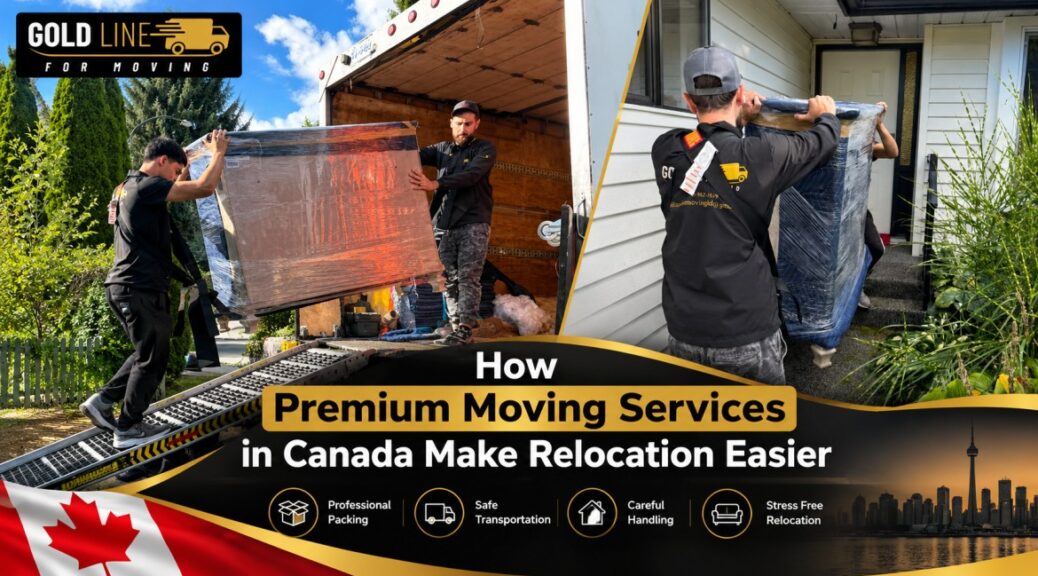

How Premium Moving Services in Canada Make Relocation Easier?

Relocating to a new home can be exciting, but the process often becomes complicated when valuable furniture, fragile belongings, tight schedules, and long travel distances are involved. A move may require much more than loading boxes into a truck. It can involve coordinating building access, protecting expensive items, arranging temporary storage, and making sure everything arrives safely at the new property.

This is where Premium Moving Services in Canada can make a meaningful difference. Rather than treating relocation as a simple transportation task, premium moving focuses on careful planning, personalised handling, clear communication, and services tailored to the household’s needs.

Luxury Moving Services in Canada can be particularly useful for families moving between large homes, professionals relocating for work, homeowners with valuable furnishings, and people who want to reduce the physical and organisational demands of moving.

However, premium service does not automatically mean that every option is necessary or that damage is impossible. The real value comes from choosing the right level of support, understanding what the quotation includes, and working with a moving company that explains its process clearly.

This guide explains how premium relocation works, which services are worth considering, how to compare providers, and what you can do before moving day to make your relocation more predictable.

What Makes Premium Moving Services Different?

Standard moving services generally focus on transporting household belongings from one address to another. Premium moving adds a more coordinated approach, with greater attention to preparation, protection, communication, and individual requirements.

For example, a household moving from a condominium in Vancouver to a detached home in another province may need building reservations, a detailed inventory, protective wrapping for furniture, and coordination between collection and delivery dates. A premium service can bring these tasks together under one moving plan.

The exact package varies between companies, so it is important to confirm what is actually included.

Common features may include:

  • A pre-move consultation and assessment of household belongings.
  • A written moving plan with agreed collection and delivery arrangements.
  • Professional packing and unpacking options.
  • Protective materials for furniture, artwork, mirrors, and delicate items.
  • Special handling for oversized or unusually shaped possessions.
  • Coordination of building access, parking, and elevator bookings.
  • Optional storage when moving dates do not align.
  • A clear process for discussing delays, damage, or other concerns.

The distinction is not simply the appearance of the moving truck or the number of staff assigned. It is how carefully the company plans the work, communicates responsibilities, and manages the practical details.

How Professional Movers Make Relocation Easier

A well-managed move reduces the number of decisions you must make at the last minute. Instead of organising every task independently, you can work from a plan that identifies responsibilities, deadlines, and potential obstacles.

1. Personalised Planning Before Moving Day

A useful moving plan begins with understanding the property, the volume of belongings, and the customer’s priorities.

A family with two children, for example, may need bedrooms assembled first so the children can settle in quickly. Someone moving into a high-rise condominium may need to reserve a service elevator and confirm permitted loading hours. A homeowner with a large dining table may need to establish whether it can pass through narrow doorways without being dismantled.

A pre-move assessment helps identify these requirements before the crew arrives.

Ask your moving coordinator to document:

  • The estimated volume of belongings.
  • Items requiring disassembly or specialist handling.
  • Access restrictions at both properties.
  • Packing responsibilities for the household and moving crew.
  • Collection and delivery windows.
  • Storage requirements and additional charges, if applicable.

These details help prevent avoidable delays and make the quotation more meaningful.

2. Better Coordination and Scheduling

Moving often involves several people and organisations, including landlords, property managers, building staff, cleaners, and utility providers.

If your previous home must be vacated by noon but access to the new property is unavailable until late afternoon, the gap can create a logistical problem. You may need temporary storage or a revised delivery arrangement.

A premium moving coordinator can help identify scheduling conflicts early and discuss available solutions.

For long-distance relocations, ask whether the delivery date is guaranteed or estimated, how delays are communicated, and whether the company offers direct transportation or shared-load arrangements. These distinctions can affect timing, flexibility, and cost.

3. Fewer Last-Minute Decisions

Packing an entire household while managing work, family commitments, and property handovers can quickly become overwhelming.

Professional planning reduces the number of tasks that must be handled at once. You can agree on packing dates, decide which rooms require priority, and identify items that should remain accessible during the move.

The goal is not to eliminate every decision. It is to make important decisions before they become urgent.

Why Luxury Moving Services in Canada Can Be Worth Considering

The value of a premium move depends on the household, the distance, the belongings involved, and the amount of time available.

For a small apartment move with few possessions, a basic service may be perfectly adequate. For a large household with delicate furnishings, valuable artwork, or several storage requirements, additional coordination can provide greater practical value.

Protection for Valuable and Fragile Belongings

Expensive furniture, glass cabinets, framed artwork, antiques, and delicate decorative pieces often require more attention than ordinary cartons.

Before the move, identify these items and explain their requirements to the moving company. Ask what packing materials and handling methods will be used and whether any items need a specialist.

Do not assume that every premium package automatically includes custom crating, specialist art handling, or additional insurance coverage.

Support for Busy Professionals and Families

A household may choose professional packing because work commitments leave little time for preparation. Another family may want unpacking assistance so the kitchen and bedrooms are usable soon after arrival.

These are different needs, and the service should reflect them.

For instance, a professional relocating to Toronto for a new role might prioritise a reliable delivery window and quick bedroom setup. A family moving from Surrey to a larger home might prioritise careful packing, children’s essentials, and furniture placement.

A good provider listens to these priorities rather than offering the same package to every customer.

Packing and Unpacking Services Canada

Packing is often one of the most time-consuming parts of relocation. It involves more than placing objects into boxes. Each item needs suitable packaging, sensible grouping, and clear labelling so it can be handled and unpacked correctly.

Packing and unpacking services in Canada can help households that have limited preparation time or belongings requiring consistent, organised handling.

What Professional Packing Should Include

Depending on the agreed package, professional packing may involve:

  • Selecting suitable cartons and protective materials.
  • Wrapping glassware, mirrors, and delicate household items.
  • Protecting furniture surfaces and vulnerable edges.
  • Labelling boxes by room and general contents.
  • Keeping related components together where practical.
  • Recording special handling requirements.

For example, a home office may contain a monitor, computer accessories, cables, documents, and small equipment. Labelling everything simply as “office” may be insufficient if you need to resume working quickly. A more useful system identifies essential equipment and separates it from items that can be unpacked later.

Before packing begins, remove personal documents, passports, medication, jewellery, and other essentials you prefer to transport yourself.

When Is Unpacking Worth the Additional Cost?

Unpacking can be especially useful when a household needs to become functional quickly. However, clarify what the service covers.

Some packages may include opening boxes and placing items on accessible surfaces, while others may include more extensive organisation. Removing packaging materials may also be a separate service.

Ask whether the crew will assemble agreed furniture, arrange kitchen items, remove empty cartons, and take away packing waste. Confirm any limitations in writing.

Furniture Protection Moving: Reducing Avoidable Damage

Furniture can be damaged during lifting, carrying, loading, transit, or unloading. Scratches and dents often occur when a large item passes through a narrow hallway or comes into contact with an unprotected surface.

Furniture protection moving procedures help reduce these risks, although no method can guarantee that damage will never occur.

How Furniture Should Be Prepared

A suitable protection plan may include:

  1. Inspecting furniture before handling and documenting existing marks.
  2. Removing detachable legs, shelves, or hardware where appropriate.
  3. Wrapping exposed surfaces with suitable protective materials.
  4. Securing drawers and doors using methods that will not damage finishes.
  5. Protecting corners, glass panels, and delicate edges.
  6. Using suitable lifting equipment and securing loads appropriately.

Different materials require different care. A polished wood table, upholstered sofa, leather chair, and glass cabinet should not necessarily receive identical treatment.

If you own antique furniture or high-value pieces, provide photographs and measurements before moving day. Ask whether specialist handling or custom crating is appropriate.

Also check how the company handles existing damage, packing exclusions, and claims. Photographs taken before collection can help establish the condition of your belongings.

Choosing High-End Movers Canada for Long-Distance Relocation

Long-distance moving introduces additional challenges. The route may cross several provinces, weather conditions can change, and delivery schedules may depend on road access, driver hours, and other operational factors.

When comparing high-end movers in Canada, look beyond polished marketing and focus on the practical details of the service.

Check the Written Estimate

A detailed estimate should explain the services being purchased and identify circumstances that could change the final price.

Depending on the move, charges may relate to labour, transportation, packing materials, storage, stairs, long carries, special handling, or additional stops.

Ask these questions before accepting a quotation:

  • Is the estimate binding, non-binding, or subject to specific conditions?
  • Which packing and unpacking tasks are included?
  • Are travel time, fuel-related charges, and access difficulties accounted for?
  • What happens if the inventory changes?
  • Are storage fees and delivery surcharges explained?
  • What payment methods and cancellation terms apply?

Do not compare quotations solely by the total price. One estimate may include packing materials and furniture assembly, while another may cover transportation only.

Verify Credentials and Responsibilities

Confirm the legal identity of the moving business and check applicable provincial requirements. For interstate or interprovincial transportation, ask which carrier will perform the work and who is responsible for the shipment.

Review the company’s written terms, complaints process, and available insurance or valuation options. Verify any licences or registrations that apply to the particular route and type of service.

A professional company should be willing to answer reasonable questions without pressuring you into making an immediate decision.

How to Compare Premium Movers in Canada

The right company is not necessarily the one with the most expensive package. It is the one whose service matches your requirements and whose terms you understand.

Use the following checklist when comparing providers.

What to compareWhat to look for
PlanningA clear inventory, schedule, and access assessment
PackingDefined responsibilities and suitable protective materials
PricingWritten inclusions, exclusions, and potential extra charges
CommunicationA named contact and a process for reporting delays
ProtectionDocumented handling procedures and condition records
CoverageClear explanation of liability, valuation, and claims
StorageWritten rates, access rules, and handling arrangements
ReviewsSpecific, credible feedback about similar moves

Customer reviews can be helpful when they describe concrete experiences, such as how a company handled a delayed delivery or protected delicate furniture. Look for patterns across multiple reviews rather than relying on one highly positive or negative comment.

When evaluating premium movers in Canada, ask for clarification wherever the quotation uses vague phrases such as “full service” or “complete protection.”

How Movers Surrey Can Help With Local Relocation

Local moves still require careful planning. In Surrey, British Columbia, a household might move from a condominium to a detached property, relocate between neighbourhoods, or transfer belongings into temporary storage during renovations.

The distance may be short, but building rules, parking, narrow access points, and busy collection times can complicate the process.

When comparing movers in Surrey, confirm whether the team has assessed both addresses and whether the moving plan accounts for loading access, stairs, elevator reservations, and the size of larger furniture.

For example, if a condominium allows moving only during a reserved time slot, arriving without the correct booking can disrupt the schedule. Similarly, a large sofa may need to be measured before moving day to determine whether it will fit through a stairwell or doorway.

Local experience can be useful, but ask practical questions instead of assuming that a company knows every building’s requirements.

Practical Tips for a More Stress-Free Moving Experience

A stress-free moving experience does not depend entirely on the moving company. Your own preparation also influences how smoothly the day goes.

Create a Priority Inventory

Separate belongings into three groups:

  • Essential: Medication, identification, chargers, toiletries, important documents, and basic clothing.
  • First-day items: Bedding, kitchen essentials, towels, children’s supplies, and basic cleaning products.
  • Later-use items: Seasonal clothing, decorative pieces, books, and items that can remain packed for several days.

Keep essential belongings with you rather than placing them in the main shipment.

Photograph Valuable Items

Take clear photographs of fragile, valuable, or easily scratched possessions before packing. Include close-up images of existing marks and keep any relevant purchase records or appraisals.

This documentation does not guarantee compensation, but it can help clarify the condition of an item if a dispute arises.

Confirm Property Access

Check parking arrangements, loading restrictions, elevator bookings, keys, entry codes, and the availability of someone to receive the delivery.

If the new property is undergoing renovation, confirm that the rooms and pathways are ready for furniture placement. Dust, wet floors, unfinished work, and blocked entrances can create avoidable problems.

Keep Communication Open

Confirm the collection window, contact person, payment arrangements, and process for reporting a delay. Notify the moving coordinator promptly if the inventory, address, or access conditions change.

A short confirmation before moving day can prevent misunderstandings about responsibilities.

Common Mistakes to Avoid When Booking Moving Services

Even a carefully organised move can become difficult if key details are overlooked.

Choosing a Company Based Only on Price

A low quotation may exclude packing, difficult access, storage, or specialist handling. Ask for a like-for-like comparison before deciding.

Assuming Every Item Is Covered

Moving contracts can contain exclusions or special conditions for certain belongings. Read the terms carefully and disclose valuable, fragile, or unusual items in advance.

Leaving Packing Until the Last Minute

Late packing can result in poorly labelled boxes, unsecured items, and forgotten essentials. Set a packing deadline and leave enough time for a final inventory check.

Failing to Confirm Delivery Arrangements

A collection date does not always mean that the shipment will arrive at the destination on the same day. For longer routes, confirm the expected delivery window and the procedure for schedule changes.

Overlooking Building Rules

Condominiums, apartment buildings, and managed properties may have restrictions on moving hours, elevator use, parking, and access. Confirm these details with the property manager before the crew arrives.

Expert Advice Before Hiring a Premium Moving Company in Canada

A few targeted questions can reveal more about a moving company’s approach than a general promise of excellent service.

Ask who will manage your move. Find out whether you will have a dedicated coordinator, how to contact them, and who will make decisions if the original plan changes.

Ask how exceptions are handled. If a table does not fit through the entrance or the property is not ready, you need to understand the available alternatives and their costs.

Ask about subcontracting. Confirm whether the company will use its own employees, subcontractors, or another carrier. Ask who remains responsible for communication and claims.

Clarify coverage before signing. Understand the difference between a company’s liability, any valuation arrangement, and separate insurance. Do not assume that the declared value of an item automatically determines compensation.

Keep a copy of the agreement. Store the estimate, inventory, payment records, photographs, and written correspondence in one accessible place.

These steps are useful whether you are moving locally or across Canada. They help you evaluate the service on evidence rather than promises.

How Gold Line For Moving Fits Into Your Relocation Planning

When researching a premium moving company in Canada, consider how well each provider explains its process, handles individual requirements, and communicates costs. Gold Line For Moving is a name you may consider when researching moving options, but evaluate its current services, coverage, written terms, and customer feedback directly before making a decision.

The most suitable moving arrangement should reflect the actual size of your household, the value and type of your belongings, your timeline, and the support you need. A detailed quotation and clear answers are more useful than selecting a package simply because it is described as premium.

Conclusion: Making Your Next Move Easier

Relocation becomes more manageable when planning, packing, transportation, and delivery are treated as connected parts of one process. Premium Moving Services in Canada can reduce the pressure on households by coordinating these tasks and providing additional support where it is genuinely needed.

From packing and unpacking services Canada to specialist furniture protection and long-distance scheduling, the right combination of services can help protect belongings and make settling into a new property easier.

Before booking, compare written estimates, clarify responsibilities, review coverage, and discuss any special handling requirements. If you are considering Gold Line For Moving, use the same careful evaluation process to determine whether its available services match your relocation needs.

A successful move is not simply about getting everything from one address to another. It is about knowing what will happen, understanding the costs, and having a practical plan when circumstances change.

Frequently Asked Questions

What Are the Main Benefits of Premium Moving Services in Canada?

The main benefits can include organised planning, professional packing, protective handling, scheduling support, and optional unpacking or storage. These services are particularly useful for large households, long-distance moves, busy professionals, and people with fragile or valuable belongings. The actual benefits depend on the written package, so confirm which tasks are included before booking.

How Much Do Luxury Moving Services in Canada Cost?

The cost depends on the size of the shipment, distance, packing requirements, access conditions, storage needs, and any specialist handling. A small local move with limited packing may cost substantially less than a fully packed interprovincial relocation. Request a written estimate based on an accurate inventory and ask which circumstances could increase the final price. Comparing itemised quotations is more reliable than choosing the lowest headline figure.

When Should I Book Professional Movers for a Long-Distance Move?

Start researching providers as soon as your likely moving dates are known. Booking early can provide more choice, especially during busy moving periods, but availability varies by route and company. Before confirming, establish the collection window, estimated delivery date, cancellation terms, and arrangements if your property handover changes. Avoid treating an estimated arrival date as guaranteed unless the agreement clearly says so.

Which Belongings Need Special Furniture Protection Moving Procedures?

Antiques, polished wood furniture, glass cabinets, mirrors, artwork, delicate electronics, and items with unusual shapes may require additional preparation. Tell the moving company about these items before the assessment, and provide photographs or measurements when useful. Ask how each item will be packed, secured, and documented. For particularly valuable pieces, confirm whether specialist handling or custom crating is available and whether the company’s coverage applies.

How Can I Choose Reliable Movers Surrey or Other Canadian Moving Companies?

Start by checking the company’s identity, applicable credentials, recent customer feedback, written estimate, and service terms. Ask who will transport your belongings, whether subcontractors are involved, how delays are communicated, and how damage claims are handled. Confirm building access and any additional charges before signing. A reliable provider should explain the process clearly and give you enough information to make an informed decision without pressure.

Furniture Moving Services in Canada: A Practical Guide to a Safer, More Organised Move

Moving furniture across a home, apartment, office or commercial property involves more than lifting heavy items and placing them in a truck. Large sofas, dining tables, wardrobes, filing cabinets and delicate furniture all require different handling methods. Without proper planning, a straightforward move can quickly turn into a stressful experience involving damaged furniture, scratched floors, unexpected costs and unnecessary delays.

Choosing reliable Furniture moving services in Canada can help make the process more organised, particularly when you are moving between cities, downsizing, renovating or relocating a business. The right approach involves assessing furniture sizes, planning access routes, protecting valuable items and deciding which pieces need professional dismantling and reassembly.

Another important consideration is whether you need Furniture assembly and disassembly services in Canada. This can be particularly useful for modular wardrobes, bed frames, office workstations and other furniture that cannot safely pass through narrow doorways or staircases in its assembled form.

This guide explains how to prepare for a furniture move, compare moving options, protect your belongings and avoid common mistakes. Whether you are moving a single heavy item or furnishing an entire property, you will find practical advice to help you make informed decisions.

Why Professional Furniture Moving Requires Careful Planning

Furniture can be heavy, awkwardly shaped and more fragile than it appears. A solid wooden table may withstand everyday use but still develop scratches when dragged across a floor. A wardrobe may look sturdy but become unstable if lifted incorrectly or moved without securing its doors.

Professional planning addresses these risks before moving day.

Understanding the challenges of furniture moving

Some of the most common challenges include:

  • Restricted access: Narrow hallways, tight staircases, small lifts and low ceilings can make large furniture difficult to manoeuvre.
  • Heavy lifting: Sofas, solid timber cabinets and large appliances require appropriate lifting techniques and enough people to handle them safely.
  • Surface protection: Hardwood floors, carpet, tiled entryways and painted walls can be damaged during loading and unloading.
  • Weather conditions: Rain, snow, ice and winter temperatures can affect access, vehicle loading and furniture protection in different parts of Canada.
  • Transport arrangements: Furniture must be secured inside the vehicle to reduce movement during braking, turning and travel.
  • Disassembly requirements: Certain pieces must be partially dismantled before they can be moved through restricted spaces.

An experienced moving team assesses these factors before deciding how to handle each item. This preparation is often more valuable than simply having additional people available on the day.

When should you hire professional furniture movers?

You may benefit from professional help when moving:

  • Large sectionals, recliners or heavy sofas.
  • King-size beds and complex bed frames.
  • Solid timber dining tables and display cabinets.
  • Antiques, mirrors, glass furniture and delicate pieces.
  • Office desks, filing cabinets and modular workstations.
  • Furniture between apartment buildings with limited lift access.

A small move may be manageable independently, but heavy or awkward furniture can create avoidable injury and property-damage risks when handled without the right equipment or experience.

How to Choose the Right Furniture Moving Company

Selecting a suitable Furniture Moving Company involves more than comparing the lowest quote. You need to understand what the company will move, how your belongings will be protected and which services are included in the price.

A little research before booking can prevent misunderstandings later.

1. Check the company’s experience and service coverage

Look for a moving company with experience handling the type of furniture you need to transport. Moving a studio apartment is different from relocating a large family home or an office filled with workstations.

Ask questions such as:

  • Does the company handle bulky, fragile or high-value furniture?
  • Can it manage stairs, elevators and restricted building access?
  • Does it offer packing, wrapping and furniture dismantling?
  • Can it accommodate your moving date and destination?
  • Does it explain its insurance arrangements and liability limitations?

If you are moving between provinces, clarify whether the company handles the entire journey or uses another carrier for part of the move.

2. Request a detailed, written estimate

Moving costs can vary depending on the volume of furniture, travel distance, access conditions, labour requirements and additional services.

A written estimate should explain the pricing method and identify any extra charges that may apply. Depending on the provider, these could include long carries, stairs, waiting time, storage, packing materials or furniture assembly.

Before accepting an estimate, confirm:

  • What is included in the quoted price.
  • Whether the price is binding or non-binding.
  • How additional work will be charged.
  • Whether taxes, travel fees and materials are included.
  • What happens if the move takes longer than expected.

Do not assume that a low initial quote represents the final amount. Compare estimates based on the same inventory and service requirements.

3. Verify insurance and damage procedures

Ask the company to explain its cargo protection, liability coverage and process for reporting damage. The terms of coverage can differ, so request the relevant documentation rather than relying on a general verbal assurance.

For expensive furniture, antiques or items with sentimental value, clarify how their value is assessed and whether additional coverage is available.

Photograph important items before the move. Keep receipts, existing damage records and relevant correspondence where possible. These records can make it easier to document a problem if one occurs.

4. Read reviews with a critical eye

Online reviews can help you understand how a company communicates, manages delays and handles complaints.

Instead of relying only on its average rating, look for recurring details. Do customers mention careful wrapping, punctual arrival, clear estimates and respectful handling? Are complaints about damaged furniture addressed professionally?

Consistent patterns across multiple reviews are generally more informative than a single highly positive or negative comment.

Finding a Furniture Moving Service Near Your Location in Canada

Searching for a Furniture moving service near Canada may help you discover providers, but the wording of the search matters. If you are moving within a particular city or region, search using your destination or current location, such as furniture movers in Toronto, Vancouver, Calgary, Ottawa or Surrey.

Canada is geographically large, and a company serving one metropolitan area may not provide services in another province.

What should you check when comparing local movers?

Start with these practical considerations:

  • Service area: Confirm that the company collects and delivers furniture at both addresses.
  • Travel distance: Ask whether travel time or mileage affects the quote.
  • Building access: Explain whether either property has stairs, a service elevator or restricted loading access.
  • Parking: Check whether a moving truck can park close to the entrance.
  • Scheduling: Ask how arrival windows, delays and building booking requirements are managed.
  • Furniture requirements: Tell the company about unusually heavy, delicate or oversized pieces.

For apartment moves, contact the building manager before confirming the moving date. Some buildings require advance elevator reservations, protective lift padding or a designated loading area.

Should you choose a local or long-distance mover?

A local mover may be suitable when furniture is travelling within the same city or nearby region. A long-distance specialist may be more appropriate when the move involves several hundred kilometres or a provincial boundary.

For a long-distance move, confirm the expected delivery window, transit arrangements, inventory documentation and procedures for changes to the delivery address.

Do not assume that every company advertising furniture transportation offers the same level of service. Confirm the details directly before making a booking.

How to Prepare Furniture Before Moving Day

Good preparation reduces handling time and helps protect furniture during transportation. It also makes it easier for movers to work efficiently without repeatedly stopping to resolve avoidable problems.

Create a furniture inventory

Walk through every room and list the items you intend to move.

Your inventory might include:

  • Sofas, armchairs and coffee tables.
  • Beds, mattresses and bedside cabinets.
  • Wardrobes, dressers and shelving units.
  • Dining tables and chairs.
  • Desks, office chairs and filing cabinets.
  • Outdoor tables, benches and storage furniture.

Record the approximate dimensions of unusually large pieces. Measure their height, width and depth, then check the narrowest doorway, hallway, staircase or lift they must pass through.

For example, a wide sectional sofa might fit comfortably in a living room but fail to clear a tight stairwell landing. Identifying this problem early gives you time to consider removing detachable legs, separating modular sections or choosing another safe route.

Clean and empty furniture

Remove loose items from drawers, cabinets and shelves before moving furniture. This reduces weight and prevents objects from shifting or falling during transportation.

For upholstered furniture, vacuum visible dust and crumbs. Ensure wooden furniture is dry before wrapping it, particularly if it has been cleaned shortly before moving day.

Ask your moving team whether drawers should be removed or secured. Leaving drawers inside a cabinet can increase weight and create a risk of sliding, depending on the design and handling method.

Protect surfaces and detachable components

Different materials require different protection methods.

  • Wood: Use suitable moving blankets or padded wrapping to reduce scratches and impact damage.
  • Glass: Protect glass panels separately with appropriate cushioning and clearly communicate their location and fragility.
  • Upholstery: Use suitable protective covers that reduce dirt and moisture exposure.
  • Metal furniture: Pad corners and protruding parts to minimise scratches and dents.
  • Hardware: Store screws, bolts and brackets in labelled bags associated with the correct furniture item.

Avoid wrapping damp furniture tightly in non-breathable plastic for extended periods. Trapped moisture can contribute to condensation, staining or mould under certain conditions.

Furniture Movers and Safe Handling Techniques

Experienced furniture movers do more than lift and carry. They plan the movement of each item, assess hazards and use appropriate equipment to reduce unnecessary strain.

Use the right equipment for the job

Depending on the furniture and property layout, a moving team may use:

  • Furniture dollies and suitable moving carts.
  • Moving blankets and protective covers.
  • Lifting straps where appropriate.
  • Corner guards and floor protection.
  • Ratchet straps or other suitable load-securing equipment.
  • Tools for removing detachable furniture components.

Equipment must be suitable for the load and used correctly. For instance, a dolly may be helpful on a level, clear surface but unsuitable for a narrow staircase.

Never assume that adding more people makes every lift safe. An awkward load can still cause injury if the team cannot coordinate their movements or maintain a clear route.

Plan the route before lifting

Before moving a large item, check the path from its current position to the vehicle.

Remove loose rugs, boxes, cables and other obstacles. Keep doors secured where possible and check for low ceilings, light fittings and sharp corners.

For heavier items, agree on who will guide the movement and who will communicate when the team needs to stop or change direction.

If an item cannot pass safely through an opening, stop and reassess the situation. Forcing furniture through a restricted space can damage both the item and the building.

Secure furniture during transport

Furniture should be positioned and secured to minimise movement during travel. Heavy pieces generally need stable support, while delicate surfaces require appropriate padding and separation from hard edges.

Loose hardware, detachable shelves and glass components should be packed or secured separately when necessary.

A properly loaded vehicle helps reduce the risk of furniture tipping, rubbing against other items or suffering impact damage during sudden braking.

Furniture Disassembly and Assembly Services

Some furniture is designed to be moved in one piece, while other items need to be dismantled before transportation. Understanding the difference can help you decide whether to handle the work yourself or arrange professional assistance.

Furniture assembly and disassembly services in Canada can be particularly useful for furniture with multiple components, specialised fasteners or complex assembly instructions.

When is furniture disassembly necessary?

furniture disassembly may be required when:

  • A bed frame is too large to pass through a doorway.
  • A wardrobe has fixed shelves that restrict movement.
  • A dining table has detachable legs or a heavy tabletop.
  • A modular sofa needs to be separated into individual sections.
  • An office workstation has connected panels, cable trays or storage units.
  • Furniture must be moved through a narrow staircase or a small elevator.

Not every item needs to be dismantled. Unnecessary disassembly increases labour time and introduces the possibility of missing hardware, damaged fasteners or incorrect reassembly.

The better approach is to assess the item, its construction and the available access space before deciding what to remove.

How to dismantle furniture without causing damage

Start by checking the manufacturer’s instructions, especially for modular or flat-pack furniture.

Follow these steps:

  1. Empty the furniture completely.
  2. Photograph the assembled item from several angles.
  3. Identify which components can be removed safely.
  4. Use the correct screwdriver, hex key or other recommended tool.
  5. Place screws and fittings in labelled bags.
  6. Keep shelves, panels and brackets together with their original furniture.
  7. Protect dismantled components before loading them into the vehicle.

Avoid forcing stuck screws or pulling apart joints that were not designed to separate. Particleboard and other engineered wood products can be particularly vulnerable to damage when fasteners are removed incorrectly.

For complex furniture, built-in systems or expensive pieces, professional dismantling may be the safer option.

When should you arrange professional assembly services?

assembly services can help when furniture has complicated instructions, numerous components or alignment requirements that are difficult to manage alone.

Professional reassembly may be appropriate for:

  • Beds and bed frames that require secure joint connections.
  • Wardrobes with multiple panels and adjustable shelving.
  • Modular desks and storage systems.
  • Office furniture that needs to be aligned with existing workstations.
  • Furniture that must be assembled according to the manufacturer’s specifications.

After reassembly, check that the furniture is stable and that all required fasteners are fitted correctly. Tall furniture may also require suitable anti-tip anchoring, particularly in homes with children or pets.

For instance, if you are moving a large wardrobe into a smaller bedroom, removing selected components may make transportation easier. However, the wardrobe still needs to be reassembled on a suitable surface, levelled and secured as recommended by its manufacturer.

Is professional assembly worth the additional cost?

That depends on the furniture’s complexity, the tools available and the time you can reasonably spend on the task.

A simple dining chair may be straightforward to assemble independently. A large modular wardrobe or multi-desk office layout can take considerably longer and may require careful coordination.

When comparing quotes, ask whether dismantling, hardware storage, transportation and reassembly are all included. A service described as furniture moving may not automatically include assembly work.

Office Furniture Installation Surrey and Commercial Relocations

Office relocations require a different level of coordination from most residential moves. Desks, ergonomic chairs, filing cabinets, meeting tables and storage systems must often be transported while limiting disruption to business operations.

If your business is relocating within Surrey or the surrounding region, office furniture installation Surrey is a relevant consideration when planning the move.

Plan the office layout before moving

Create a basic floor plan showing where desks, meeting tables, storage cabinets and shared equipment should be placed.

Measure large items and check the dimensions of the new premises. Confirm that furniture will fit through access doors and corridors, and account for any building restrictions.

Before moving day, identify:

  • Which workstations need dismantling.
  • Which desks and cabinets can remain assembled.
  • Where each piece of furniture should be placed.
  • Whether cable management needs to be reconfigured.
  • Which furniture items need assembly or adjustment.
  • When employees can safely return to the workspace.

This planning helps reduce the need to move heavy desks repeatedly after delivery.

Protect equipment and workplace information

Office furniture may contain more than furniture itself. Desks can have integrated power connections, cable trays and monitor arms, while filing cabinets may hold confidential documents.

Before dismantling a workstation, disconnect electrical equipment safely and label cables where appropriate. Protect monitors and other electronic devices separately.

Secure confidential files and follow your organisation’s data-handling procedures. Locking filing cabinets should be handled according to the manufacturer’s instructions, with keys and access arrangements managed securely.

Minimise business downtime

Where possible, schedule the move outside peak working hours or during a planned closure. For larger relocations, consider moving departments in stages.

A practical sequence might involve dismantling and transporting unused storage first, followed by workstations and shared furniture. Essential furniture can then be installed before employees return.

Businesses should also confirm building access times, loading restrictions, parking arrangements and any required certificates of insurance with property management.

These details are easy to overlook, but they can determine whether an office move finishes on schedule.

Home Furniture Removal and Responsible Disposal

Not every item needs to travel to the new property. Moving unwanted furniture increases transport volume and may add avoidable labour costs.

home furniture removal should therefore be considered before you finalise your moving inventory.

Decide what to move, donate or dispose of

Walk through each room and assess the condition, usefulness and replacement cost of every major item.

A useful decision-making approach is to ask:

  • Will this furniture fit the new property?
  • Is it still safe and functional?
  • Would transporting it cost more than replacing it?
  • Could someone else use it?
  • Does it require special disposal arrangements?

Furniture in good condition may be suitable for donation or resale, depending on local acceptance requirements. Some charities do not accept mattresses, damaged upholstery or large items that cannot be collected safely.

For broken furniture, check municipal waste collection rules and local recycling facilities. Some areas offer bulky-item collection, while others require a booking or a trip to a designated waste facility.

Do not leave unwanted furniture on a footpath or outside a building without checking the applicable rules.

Reduce the cost and volume of your move

Sorting furniture before requesting a final estimate gives the moving company a more accurate picture of the work involved.

For example, a household moving to a smaller apartment might decide to donate a spare bed, sell an unused dining table and transport only essential furniture. This reduces the load and may simplify the unloading process.

If you need both transportation and removal, ask whether the provider offers these services together. Confirm where unwanted items will go and whether disposal fees are charged separately.

A practical note on choosing a moving partner

When comparing providers, look for clear communication, realistic scheduling and transparent service descriptions rather than promises that everything will be effortless. For example, Gold Line For Moving can be considered as part of your research into moving options, provided its service coverage, pricing, credentials and specific furniture-handling capabilities meet your requirements. Verify these details directly before booking.

How Much Do Furniture Moving Services in Canada Cost?

There is no single price that applies to every furniture move. The total depends on the quantity and type of furniture, the distance travelled, the labour required and the services included.

Factors that influence the price

Cost factorWhy it matters
Furniture volumeMore items generally require more loading space and handling time.
Travel distanceLonger journeys may increase transportation and labour costs.
Access conditionsStairs, long carrying distances and restricted elevators can add work.
Disassembly and reassemblyComplex furniture may require extra labour and tools.
Packing and protectionBlankets, covers, wrapping and specialised packing may affect the quote.
TimingWeekend, peak-season or short-notice bookings may have different pricing.
Storage or disposalAdditional collection, storage or waste services may incur separate fees.

How can you keep your moving budget under control?

Use these strategies to reduce avoidable expenses:

  1. Prepare an accurate inventory. List the furniture and mention oversized or unusually heavy items.
  2. Measure access points. Identify potential problems before the crew arrives.
  3. Declutter early. Avoid paying to move furniture you no longer need.
  4. Compare equivalent quotes. Check whether each estimate covers the same tasks.
  5. Book in advance. Early planning can give you more scheduling options.
  6. Confirm additional charges. Ask how delays, extra labour and changes to the inventory are billed.

The lowest quote is not necessarily the best value. A slightly higher price may be justified if it includes the equipment, labour and services your move actually requires.

Common Furniture Moving Mistakes to Avoid

Even a well-planned move can become complicated when small details are overlooked. These are some of the most common mistakes to watch for.

1. Underestimating furniture dimensions

Measuring only the furniture itself is not enough. You must also consider the route it will take through the property.

Measure doorways, stairwell turns, lift interiors and any narrow corridors. Include detachable legs and handles when assessing the dimensions of the item in its moving configuration.

2. Assuming all furniture can be moved assembled

Some furniture is sturdy enough to move intact, while other pieces become unstable or too awkward to carry.

Do not dismantle every item automatically. Instead, assess its construction, size and access requirements before deciding on the safest approach.

3. Forgetting to label hardware

Unlabelled screws and brackets can cause delays during reassembly. Keep the hardware for each item in a separate labelled bag and attach it securely to the corresponding furniture component or store it in a clearly marked container.

4. Failing to protect floors and walls

Heavy furniture can leave marks even when it is moved carefully. Use appropriate protective coverings and keep the route clear.

Be especially cautious when moving furniture across polished timber, freshly painted walls or narrow staircases.

5. Booking without confirming the service details

A booking confirmation does not necessarily mean every requested task is included.

Confirm the furniture inventory, arrival window, destination, dismantling requirements, reassembly work and any additional charges before moving day.

Expert Tips for a Smoother Furniture Move

The following practices can help make your move more predictable and reduce avoidable problems.

  • Start with the difficult items. Identify large wardrobes, sectionals and heavy tables early because they may require additional planning.
  • Take photographs before dismantling. Images can help you remember component positions and cable arrangements.
  • Keep essential tools accessible. If you are handling simple assembly yourself, keep the necessary tools and instructions available rather than buried in a packed box.
  • Protect the destination before unloading. Cover vulnerable floors and clear the areas where furniture will be placed.
  • Inspect furniture at delivery. Check major surfaces, corners, legs and glass components before signing off on the completed move, following the provider’s procedures.
  • Keep communication practical. Tell the moving team about fragile items, access restrictions and placement preferences before work begins.

When comparing Professional Furniture Movers in Canada, prioritise relevant experience, appropriate equipment, transparent estimates and a clear process for addressing damage or delays.

For long-distance moves, also ask how the company records inventory, secures furniture during transit and communicates delivery updates. These practical details can help you evaluate the service more effectively than broad advertising claims.

Conclusion

A successful furniture move begins well before moving day. By preparing an accurate inventory, measuring access points, protecting vulnerable surfaces and arranging suitable transportation, you can reduce the risk of damage and unexpected expenses. Choosing the right Furniture moving services in Canada also means understanding exactly which tasks are included, from loading and transportation to furniture dismantling and reassembly.

Whether you are moving a household, relocating an office or removing unwanted furniture, focus on practical planning rather than price alone. Compare written estimates, verify the provider’s coverage and discuss any unusual handling requirements before confirming your booking. If you need help with Furniture assembly and disassembly services in Canada, ensure that these tasks are explicitly included in your agreed service.

For your shortlist, Gold Line For Moving is one option to research alongside other providers. Compare its available services, coverage, pricing and customer feedback against your specific requirements before making a decision. With clear communication and the right preparation, you can make your next furniture move more organised, predictable and manageable.

Frequently Asked Questions

1. What do furniture moving services in Canada usually include?

The exact services depend on the provider and the package you select. Basic moving services commonly cover loading, transportation and unloading of agreed furniture items. Some providers also offer protective wrapping, packing, furniture dismantling, reassembly and storage.

Before booking, ask for a written breakdown of what is included. Confirm whether stairs, long carrying distances, special handling and assembly work incur additional charges. If you are moving delicate or unusually heavy furniture, explain the requirements in advance so the company can assess the job properly.

2. How far in advance should I book furniture movers?

For a straightforward local move, booking a few weeks ahead is a practical starting point. Larger household moves, office relocations and long-distance journeys may require more preparation, particularly during busy moving periods.

Your ideal booking window depends on the date, location, size of the move and availability of suitable vehicles and staff. If your move coincides with the end of a month, a lease changeover or a busy summer period, contacting providers early can give you more options.

Confirm the booking in writing and notify the company promptly if your inventory, access arrangements or moving date changes.

3. Is furniture dismantling included in moving services?

Not always. Some moving companies offer dismantling and reassembly as optional services, while others include limited work within a particular package.

The distinction matters because taking apart a simple bed frame is different from dismantling a large wardrobe or modular office system. Ask which items the crew can dismantle, whether reassembly is included and how the cost is calculated.

Keep original instructions and label hardware carefully. For complex items, follow the manufacturer’s guidance and check that the furniture is stable after reassembly.

4. How can I protect expensive or fragile furniture during a move?

Start by documenting the item’s condition with clear photographs. Tell the moving company about valuable surfaces, glass components, delicate joints and any existing damage.

Use suitable padding and protective covers, and ensure that furniture is secured properly during transportation. Glass panels and detachable components may need separate protection. Avoid placing heavy objects on delicate furniture surfaces or allowing unprotected pieces to rub against one another.

Ask the provider to explain its liability and claims procedures before the move. For antiques or unusually valuable items, clarify whether specialist handling or additional coverage is appropriate.

5. How do I find a reliable furniture moving company in Canada?

Begin by searching for providers that serve your actual collection and delivery locations. Review their experience with your type of furniture, request written estimates and compare the services included.

Check customer feedback for recurring comments about punctuality, handling quality and communication. Ask about insurance, damage reporting, additional charges and the company’s approach to difficult access conditions.

Avoid choosing solely on price. A suitable provider should be able to explain its process clearly, identify practical limitations and provide written confirmation of the agreed work.

Residential Moving Services in Canada A Complete Guide to Planning a Safe and Stress-Free Move

Moving to a new home should mark an exciting beginning, but the process can quickly become overwhelming. Between packing fragile belongings, arranging transport, updating your address, and coordinating moving dates, even a short-distance relocation can involve dozens of decisions. A move across provinces adds another layer of planning, especially when travel times, weather conditions, and delivery schedules are involved.

This is where Residential Moving Services in Canada can help households organise their relocation, protect their belongings, and manage the practical details of moving day. However, hiring a moving company alone does not guarantee a smooth experience. The result depends on preparation, clear communication, suitable packing methods, and a realistic understanding of the services being provided.

Whether you are moving from a condominium in Toronto, a family home in Calgary, or a rental property in Vancouver, the same principle applies: plan the move around your household’s actual needs rather than leaving important decisions until the last minute.

This guide explains how to organise your move, compare providers, prepare furniture and fragile items, and avoid common mistakes. It also includes practical Long Distance Moving Tips to help you plan a safer, more predictable relocation.

Understanding Residential Moving in Canada

Residential moving involves transferring household belongings from one property to another. Depending on your circumstances, the process may include packing, furniture disassembly, loading, transportation, unloading, and unpacking.

Not every household needs the same level of assistance. Someone moving from a furnished apartment may only need transportation, while a family relocating from a four-bedroom house may require a larger crew, additional packing materials, and several hours of loading and unloading.

Before comparing Residential Moving Companies in Canada, identify the main requirements of your move.

  • Local relocation: Moving within the same city or surrounding area.
  • Intercity relocation: Moving between cities, potentially requiring additional travel and scheduling.
  • Interprovincial relocation: Moving between provinces, where longer distances and different local requirements may affect planning.
  • Long-distance relocation: Moving over a substantial distance, with arrangements depending on the origin, destination, and carrier.

The term long-distance can be defined differently by different providers. Ask how the company classifies your move and whether that classification affects its pricing, delivery window, or service agreement.

A useful first step is to create a simple inventory of your belongings. Count large furniture pieces, estimate the number of boxes, and identify items requiring special handling. This gives you a clearer basis for comparing quotations and reduces the likelihood of unexpected changes on moving day.

Where to Start With a Moving Checklist

The most effective moving plans begin with a clear timeline. Rather than trying to complete everything during the final week, divide the work into manageable stages.

Six to eight weeks before moving

Start by confirming your expected moving date, checking your lease or property arrangements, and establishing a budget. If your moving date is flexible, ask providers whether alternative dates could offer better availability.

During this stage:

  • Declutter cupboards, storage rooms, garages, and spare bedrooms.
  • Donate, sell, recycle, or responsibly dispose of unwanted belongings.
  • Request written estimates from suitable movers.
  • Check building rules, elevator reservations, loading zones, and parking restrictions.
  • Create an inventory of valuable, fragile, or bulky items.
  • Collect important documents relating to your new property.

Decluttering before obtaining a final quotation can make a meaningful difference because the amount of furniture and the shipment’s overall size may affect labour and transportation requirements.

Two to four weeks before moving

Confirm your selected provider, review the written agreement, and clarify what the quoted price includes. If you live in an apartment or condominium, arrange elevator access and loading permissions as early as possible.

Begin packing items that you rarely use, such as seasonal decorations, spare linens, books, and non-essential kitchenware. Label boxes by room and contents, but avoid writing sensitive personal information on their exterior.

Also arrange mail forwarding, utility changes, internet installation, and address updates where needed. Keep confirmation numbers and appointment details together so you can find them quickly.

The final week

Finish most packing, leaving only daily essentials accessible. Confirm arrival times, contact details, payment arrangements, and any special instructions with the moving coordinator.

Prepare a separate essentials bag containing:

  • Identification, important documents, and medication.
  • Phone chargers and basic toiletries.
  • A change of clothes for each family member.
  • Snacks, drinking water, and basic cleaning supplies.
  • Keys, pet supplies, and items needed immediately at the new home.

Keep this bag with you instead of placing it in the moving truck.

How to Choose Residential Moving Companies in Canada

Comparing providers involves more than finding the lowest price. A quotation is useful only when you understand the service, responsibilities, and potential additional charges behind it.

When evaluating Residential Moving Companies in Canada, use the following checks.

Verify the company and its operating arrangements

Check the company’s legal business identity, physical contact information, written terms, and relevant operating credentials. Requirements can differ according to the province, territory, and type of move. For an interprovincial relocation, ask which carrier will transport your belongings and who is responsible for the shipment.

For long-distance moves, confirm whether the company uses its own employees and vehicles or relies on subcontractors. Neither arrangement automatically determines quality, but you should know who will handle your belongings and whom to contact if a problem occurs.

Request a detailed written estimate

Ask whether the estimate is binding, non-binding, or subject to specified conditions. These terms can have different contractual implications, so read the agreement rather than relying on the label alone.

Check for potential charges relating to:

  • Stairs, long carrying distances, or restricted vehicle access.
  • Packing supplies and packing labour.
  • Furniture disassembly and reassembly.
  • Storage, shuttle vehicles, or additional stops.
  • Heavy or unusually large items.
  • Changes to the inventory or delivery arrangements.

For example, a quotation based on a ground-floor property with direct truck access may not reflect the cost of moving furniture from a high-rise building with a restricted loading area. Sharing accurate details before booking helps reduce surprises.

Review reputation and communication

Read recent reviews across more than one source. Look for recurring patterns involving punctuality, damage handling, billing transparency, and communication rather than relying on one particularly positive or negative comment.

Notice how the company responds to questions. A reliable provider should be willing to explain its estimate, describe its claims process, and clarify what happens if the delivery schedule changes.

Professional Home Moving Services and What They Include

Professional Home Moving Services can range from basic transportation to a more comprehensive relocation package. Understanding the available options helps you avoid paying for assistance you do not need or overlooking tasks you cannot reasonably manage yourself.

Packing and Unpacking Services

Packing is often one of the most time-consuming parts of a move. Professional packing assistance may include supplying suitable boxes, wrapping fragile objects, protecting furniture, and preparing items for transport.

The exact service varies by provider, so ask whether packing materials, wardrobe boxes, dish protection, and unpacking labour are included.

If you are packing yourself, use small boxes for heavy objects such as books and larger boxes for lightweight belongings such as bedding. Place heavier items at the bottom, fill empty spaces to reduce movement, and label fragile boxes clearly.

Do not assume that marking a box as fragile guarantees special handling. Discuss specific requirements with the moving team and confirm how delicate items will be packed, loaded, and transported.

Furniture disassembly and reassembly

Beds, dining tables, shelving units, and some desks may need to be dismantled to fit through doorways or travel securely. Photograph complex assemblies before taking them apart, and place screws and fittings in labelled bags secured to the relevant furniture when practical.

Ask whether the mover will reassemble these items at the destination. Some companies include limited furniture assembly, while others charge separately or exclude particular types of furniture.

Storage and additional assistance

Temporary storage may be useful if your possession date and moving date do not align. Before booking, ask about storage duration, access arrangements, security measures, insurance or valuation terms, and the cost of moving items into and out of storage.

A clear inventory is particularly helpful when belongings will be stored before delivery. It allows you to track what was collected and identify anything missing when your shipment arrives.

Long Distance Residential Moving in Canada

Long Distance Residential Moving in Canada requires more coordination than many local moves because the journey may involve several travel days, changing weather, delivery windows, and logistical constraints.

The key is to plan for uncertainty without assuming that every shipment will experience a delay.

Confirm the delivery window

Ask for the estimated pickup date, delivery window, and process for communicating changes. If the provider cannot guarantee an exact arrival time, arrange your accommodation and essential supplies accordingly.

Avoid scheduling furniture delivery immediately before an important event unless you have a realistic backup plan.

Prepare for Canadian weather

Canadian weather can affect moving arrangements in different ways. Snow, freezing temperatures, heavy rain, and summer heat may influence road conditions, loading safety, and the protection required for particular belongings.

Check the forecast for both locations as moving day approaches. Keep walkways clear, arrange appropriate footwear, and protect indoor flooring where necessary.

Electronics, wood furniture, artwork, and certain household materials may be sensitive to temperature or moisture changes. Ask your mover how such items should be prepared, especially when the journey involves prolonged exposure to changing conditions.

Keep essential belongings accessible

Do not pack everything into the shipment. Keep documents, medication, valuables, chargers, basic cooking supplies, and a few days of clothing with you.

If you are travelling separately from the moving truck, confirm how you will access your essentials throughout the journey.

Check inventory and condition records

Before loading, review the inventory and document any existing damage to valuable furniture or appliances. Photographs taken before packing can help establish an item’s original condition.

At delivery, compare the shipment against the inventory and inspect items for visible damage. Record concerns promptly and follow the carrier’s written process for reporting missing or damaged belongings.

Safe Furniture Transportation

Safe Furniture Transportation begins before the truck arrives. Furniture can be damaged by friction, shifting loads, unsuitable wrapping, or poor lifting techniques. Walls, staircases, floors, and door frames can also be damaged when large items are moved without adequate preparation.

Start by measuring oversized furniture and checking the narrowest doorways, corridors, stair turns, and elevator openings along the route. A sofa that fits through the front entrance may still be difficult to manoeuvre around a tight staircase.

Protect furniture correctly

  • Empty drawers and cabinets where required for safe handling.
  • Secure removable shelves and detachable parts.
  • Use suitable furniture blankets and protective wrapping.
  • Protect glass panels and mirror surfaces with appropriate materials.
  • Keep hardware labelled and separate from loose household items.
  • Ensure furniture is secured properly inside the vehicle.

For wooden furniture, avoid wrapping damp items in materials that trap moisture. For mattresses and upholstered furniture, use appropriate covers to protect against dirt and moisture.

Large appliances may require preparation according to the manufacturer’s instructions. Refrigerators, washing machines, and other equipment should be disconnected and prepared correctly before transport. Ask a qualified professional when an appliance requires specialist disconnection or installation.

Never attempt to move a heavy wardrobe, piano, or oversized appliance alone simply to save time. Use trained assistance and suitable equipment to reduce the risk of injury and property damage.

Practical Moving Tips to Reduce Stress and Avoid Delays

Good planning is not just about completing tasks early. It is about identifying the decisions that could create problems later and resolving them before moving day.

Here are practical strategies to make Residential Moving Services in Canada more effective for your household.

Create a room-by-room inventory

List major furniture items and estimate the number of boxes for each room. Include storage areas, balconies, sheds, and garages, which are easy to overlook.

A simple inventory might include:

  • Living room: one sofa, two chairs, one television, and six boxes.
  • Bedroom: one bed frame, one mattress, two bedside tables, and four boxes.
  • Kitchen: small appliances, cookware, dishes, and five boxes.
  • Storage area: seasonal equipment, tools, and miscellaneous containers.

These figures are illustrative, not a standard estimate. Your actual inventory should reflect what you own.

This record helps you assess quotations, plan box labels, and check that everything has arrived at the destination.

Take measurements before moving day

Measure large furniture and compare the dimensions with doorways, staircases, elevators, and hallways. If access is restricted, share photographs and measurements with the moving coordinator.

This simple step can prevent an avoidable situation in which the moving team arrives but cannot safely remove a large item without additional work.

Separate items that need special attention

Make a list of fragile, unusually heavy, valuable, or awkwardly shaped belongings. Tell the company about aquariums, large mirrors, exercise equipment, antiques, and oversized furniture before the quotation is finalised.

Ask whether the company accepts these items and what preparation is required. Some belongings may need specialist handling or may be excluded from standard moving arrangements.

Plan around children and pets

Moving day can involve open doors, unfamiliar people, and vehicles entering and leaving the property. Arrange for a trusted adult to supervise young children or consider a safe, quiet location for pets.

Keep pet food, leads, carriers, and identification accessible. At the new home, prepare a secure room before allowing pets to explore.

Gold Line For Moving provides reliable residential moving services in Canada, helping homeowners move with professional packing, safe furniture transportation, and stress-free relocation solutions.

Maintain a realistic schedule

Allow time for loading, travel, unloading, and unexpected complications. Do not assume that a truck will arrive at the exact minute you expect or that every box will be unpacked on the first evening.

The goal is to make the day manageable, not to complete every task as quickly as possible.

Common Moving Mistakes to Avoid

Even a well-organised household can overlook small details that create unnecessary costs or delays.

Choosing a mover based only on price

A low quotation may exclude packing, additional carrying distances, storage, or other services you need. Compare the full scope of work rather than the headline amount.

Ask each company to quote against the same inventory and access details. This makes differences in price and service easier to understand.

Leaving packing until the last minute

Last-minute packing often leads to poorly labelled boxes, unprotected fragile items, and forgotten belongings. It can also delay loading if the movers arrive before everything is ready.

Pack non-essential items early and leave a clearly identified area for the belongings you still need.

Overlooking building restrictions

Condominiums and apartment buildings may require advance elevator bookings, loading-dock reservations, or proof of insurance from a moving company. Rules differ by property.

Confirm these arrangements with building management and share any restrictions with your mover before the booking is finalised.

Failing to read the agreement

Do not assume that all quotations include the same services or protections. Check cancellation terms, payment conditions, liability provisions, claims procedures, and delivery arrangements.

Ask for clarification in writing whenever a term is unclear.

Misunderstanding protection for damaged belongings

Moving companies may offer different forms of liability coverage, valuation arrangements, or optional insurance. These are not necessarily equivalent, and exclusions may apply.

Ask what protection is provided, how claims are assessed, what deductibles or limits apply, and whether your existing home or contents insurance offers any relevant coverage. Review the applicable policy and contract rather than assuming every item is fully covered.

Expert Advice for a More Predictable Move

The following recommendations are practical planning principles rather than guarantees. Adapt them to the size of your home, the distance involved, and the arrangements agreed with your mover.

1. Build a small contingency into your budget.

Unexpected supplies, extra labour, temporary accommodation, or changes to access arrangements can increase the total cost. Set aside an amount appropriate to your circumstances rather than spending your entire budget on the initial quotation.

2. Keep written records.

Save the estimate, inventory, contract, payment receipts, photographs, and communication about special requirements in one place. Written records make it easier to resolve misunderstandings.

3. Confirm responsibilities in advance.

Establish who will disconnect appliances, dismantle furniture, pack fragile objects, reserve building access, and arrange parking. Unclear responsibilities are a common source of last-minute confusion.

4. Prioritise the first 24 hours.

Pack bedding, toiletries, essential kitchen items, medication, chargers, cleaning supplies, and children’s or pets’ necessities separately. This lets you settle in before unpacking every box.

5. Ask questions before committing.

A professional provider should explain the services it offers, the limitations of its estimate, the expected schedule, and the process for addressing problems. Clear answers are more useful than vague assurances.

For households planning an interprovincial relocation, these Long Distance Moving Tips are particularly valuable because the cost and inconvenience of correcting a planning mistake may be greater once the shipment is on the road.

Conclusion

A successful household relocation depends on preparation, realistic expectations, and clear communication. From creating an inventory and comparing quotations to protecting furniture and planning delivery, each step helps reduce uncertainty.

The best Residential Moving Services in Canada for your household are those that match your moving requirements, explain their terms clearly, and provide a workable plan for transporting your belongings. You do not necessarily need the most comprehensive package; you need the right combination of assistance, protection, and cost.

Start early, keep essential belongings separate, confirm responsibilities in writing, and use the Long Distance Moving Tips in this guide when planning a move between cities or provinces. With a clear plan and careful provider selection, you can make moving day more manageable and begin settling into your new home with greater confidence.

Frequently Asked Questions About Residential Moving

1. How far in advance should I book residential movers in Canada?

For a planned household move, starting your search around four to eight weeks in advance is a reasonable approach, particularly if you need a specific date or are moving a large home. Longer-distance moves, peak-season dates, and complex building arrangements may benefit from earlier planning.

Availability varies by location and company, so this is a planning guideline rather than a universal booking rule. If your move is urgent, contact several providers, explain your dates and inventory, and ask what they can realistically accommodate.

2. What should I compare when choosing Residential Moving Companies in Canada?

Compare the written estimate, services included, payment terms, pickup and delivery arrangements, claims process, and relevant company credentials. Also ask who will physically handle and transport your belongings, especially if subcontractors or multiple carriers are involved.

Provide every company with the same inventory and details about stairs, elevators, parking, and oversized items. A slightly higher quotation may represent better value if it includes services that another provider charges for separately.

3. Are Professional Home Moving Services worth the cost?

They can be worthwhile when you have a large household, limited time, mobility constraints, fragile possessions, or a long-distance relocation. Packing and furniture-handling assistance may reduce the physical workload and help you organise the move more efficiently.

However, full-service moving is not necessary for every household. If your belongings are limited and you can safely pack and transport them yourself, a basic moving service may be sufficient. Compare the cost of professional assistance with the time, equipment, packing materials, and physical effort required to manage the work independently.

4. How can I protect furniture during a long-distance move?

Start by checking that furniture is clean, dry, and suitable for transport. Remove or secure detachable parts, protect corners and vulnerable surfaces, and use appropriate covers and padding. Make sure large pieces are handled and secured correctly by the moving team.

Photograph valuable items before packing and retain an inventory. For delicate antiques, glass furniture, artwork, or unusually heavy objects, ask about specialist packing and handling. Confirm the company’s responsibilities and applicable protection arrangements before the shipment leaves.

5. What should I do if my belongings arrive damaged or some boxes are missing?

Document the issue as soon as you discover it. Take photographs, compare the delivered items with your inventory, and keep the relevant packing materials if they may help explain the damage.

Notify the moving company promptly using the reporting method specified in your agreement. Keep copies of your correspondence, receipts, and any supporting evidence. Follow the applicable claims procedure and deadlines, as requirements can vary according to the contract and type of move.

Avoid assuming that a verbal complaint alone is sufficient. Written documentation helps establish what happened and gives the company the information it needs to investigate.

Furniture Moving Services in Canada for Stress-Free Relocation

Moving furniture across a home, apartment, office, or commercial property is rarely as simple as lifting an item and putting it into a truck. Large sofas need careful handling around doorways, dining tables may need partial disassembly, wardrobes can be awkward on stairs, and delicate furniture can be damaged by poor packing or rushed loading.

That is why choosing reliable Furniture moving services in Canada can make a significant difference to the overall moving experience. Professional movers can assess furniture dimensions, plan access routes, protect surfaces, organise loading, and reassemble items at the destination when required.

Whether you are moving locally, relocating between provinces, downsizing, furnishing a new property, or transferring office furniture, good preparation is just as important as the actual transportation.

Why Furniture Moving Requires More Planning Than Expected

Furniture presents several challenges that ordinary household boxes do not. A 25-kilogram carton can usually be carried by one person, but a large sectional sofa or solid-wood cabinet may require several people and a carefully planned route.

Experienced furniture movers consider factors such as:

  • Furniture dimensions and weight
  • Door and hallway widths
  • Staircases and elevators
  • Parking and truck access
  • Fragile surfaces and finishes
  • Weather conditions
  • Assembly requirements
  • Protective wrapping
  • Loading order
  • Destination access

For example, a large wardrobe may technically fit through an apartment doorway but still be impossible to move upright because of a low ceiling or narrow hallway. In such situations, furniture disassembly can prevent unnecessary damage and make handling safer.

This is one reason professional Furniture moving services in Canada are useful for complex relocations rather than simply relying on a moving truck and extra hands.

Furniture Movers: What Professional Handling Actually Involves

Professional furniture movers do much more than carry items from one room to another. A well-organised move usually starts with an assessment.

The mover may identify which pieces require two or more people, which items need protective materials, and which furniture should be dismantled before transportation.

Furniture Assessment Before Moving

Before moving day, identify furniture that is:

  • Oversized
  • Heavy
  • Fragile
  • Valuable
  • Difficult to grip
  • Made from glass or stone
  • Built into another structure
  • Likely to require disassembly

A professional assessment also helps identify potential access problems.

Consider a large sectional sofa in a condominium. The elevator may be available, but its internal dimensions could be too small for the longest section. The movers may need to use stairs, separate the sectional components, or coordinate with building management.

Planning this before moving day is far easier than discovering the problem when the truck is already waiting.

Protecting Furniture During Handling

Furniture can suffer damage from more than dropping. Scratches often occur when pieces are dragged across floors, pushed against walls, or placed directly against other items inside a truck.

Professional handling may involve:

  • Moving blankets
  • Stretch wrap
  • Corner protection
  • Protective pads
  • Floor coverings
  • Straps
  • Special handling for glass or mirrors

Wooden furniture also deserves particular care. Stretch wrapping should not automatically be treated as a universal solution because certain finishes can react poorly to prolonged contact with unsuitable materials.

Furniture Disassembly: When Should Furniture Be Taken Apart?

Not every piece needs to be dismantled. In fact, unnecessary disassembly can create additional work and increase the possibility of lost hardware.

The better approach is to disassemble furniture only when it improves safety, access, or transport efficiency.

Common candidates include:

  • Bed frames
  • Large dining tables
  • Modular wardrobes
  • Desks
  • Bookshelves
  • Sectional sofas
  • Large cabinets
  • Office workstations

What Should Stay Assembled?

Smaller and structurally stable furniture can often remain assembled if it can be safely carried through the property.

For instance, a small side table may take more time to dismantle than to move intact. However, a large dining table with removable legs may be much easier to transport after the legs have been removed.

The objective is not maximum disassembly. It is appropriate disassembly.

Furniture Assembly and Disassembly Services Canada

For complicated relocations, Furniture Assembly and Disassembly Services Canada can be particularly useful. These services focus on carefully taking furniture apart before transportation and putting it back together at the destination.

This can be especially helpful when furniture includes:

  • Multiple panels
  • Bolted frames
  • Adjustable components
  • Modular systems
  • Large desks
  • Commercial shelving
  • Flat-pack furniture
  • Complex bedroom furniture

One practical advantage is that experienced professionals know how to organise removed hardware. Screws, bolts, washers, brackets, and other small components should not simply be placed loosely in a moving box.

A better system is to keep hardware for each item together, label it clearly, and protect it from being mixed with hardware from another piece.

A Real-World Example

Imagine moving a home office containing a large desk, two bookcases, filing cabinets, and shelving.

Trying to carry everything fully assembled could create problems with staircases and doorways. But completely dismantling every item without a system could result in confusion during reassembly.

A planned approach might involve:

  1. Photographing each piece before disassembly.
  2. Labelling the components.
  3. Bagging the relevant hardware.
  4. Protecting panels individually.
  5. Loading components in a stable order.
  6. Reassembling the furniture at the destination.
  7. Checking that doors, drawers, and fittings operate correctly.

This simple process can reduce moving-day confusion considerably.

Furniture Moving: How to Prepare Before Moving Day

Good moving preparation services begin before the truck arrives.

You do not need to pack every item yourself if professional assistance has been arranged, but there are several things you can do to make furniture moving easier.

Measure Large Furniture

Measure large furniture before moving day, including:

  • Width
  • Height
  • Depth
  • Removable sections
  • Leg height
  • Doorway clearance

Then measure the relevant parts of the property.

Pay particular attention to:

  • Front doors
  • Interior doors
  • Hallways
  • Staircases
  • Elevator entrances
  • Garage doors
  • Loading areas

Do not rely solely on visual estimates.

Clear the Moving Path

Remove objects that could interfere with carrying furniture.

This includes:

  • Rugs
  • Small tables
  • Decorative objects
  • Plant pots
  • Children’s toys
  • Loose cables
  • Shoes
  • Boxes

A clear path gives movers more room to manoeuvre and reduces avoidable accidents.

Protect Floors and Walls

If heavy furniture needs to pass through finished flooring or narrow hallways, protection should be considered before the move starts.

Floor coverings can help reduce the risk of marks, particularly in wet or snowy Canadian weather when moisture and grit can be brought indoors.

Office Furniture Installation Surrey and Commercial Relocations

Furniture relocation is not limited to residential moves. Businesses frequently need professional assistance when changing offices, renovating workspaces, or consolidating locations.

For example, office furniture installation Surrey projects may involve moving desks, partitions, filing systems, meeting-room furniture, storage units, and workstation components.

Commercial furniture moves require additional planning because the business may need to remain operational.

A poorly organised office relocation can result in:

  • Employee downtime
  • Missing equipment
  • Disorganised workstations
  • Damaged furniture
  • Delayed reopening
  • Confusion over furniture placement

A better approach is to create a furniture plan before moving day.

Create a Furniture Placement Plan

Number rooms or work areas and assign each furniture item to a destination.

For an office, this could include:

  • Workstation A → Desk 12
  • Filing cabinet → Finance area
  • Meeting table → Conference room
  • Storage shelving → Archive room

Labelling furniture according to its destination helps movers unload items into the correct areas instead of creating a temporary pile that must later be rearranged.

Moving Preparation Services: What Should Be Done First?

Moving preparation services can cover different tasks depending on the type of relocation, but the underlying principle is the same: solve foreseeable problems before they become moving-day problems.

A useful preparation sequence is:

1. Create an Inventory

List the larger furniture pieces and identify fragile or valuable items.

2. Decide What Needs Disassembly

Separate furniture into three categories:

  • Move as-is
  • Partially dismantle
  • Fully dismantle

3. Check Building Requirements

Apartments and commercial buildings may have specific rules for:

  • Elevator bookings
  • Loading zones
  • Moving hours
  • Parking
  • Insurance documentation
  • Protective coverings

4. Prepare the Destination

Make sure the new property has sufficient space for furniture placement and that access routes are clear.

5. Confirm the Moving Sequence

Heavy and large items usually require careful planning because their position inside the truck affects how efficiently other belongings can be loaded.

How to Find a Furniture Moving Service Near Canada?

People searching for a Furniture moving service near Canada should avoid choosing a provider solely because it appears inexpensive.

Instead, compare the service based on the actual requirements of the move.

Ask potential providers:

  • Do you handle oversized furniture?
  • Is furniture disassembly available?
  • Can you reassemble furniture at the destination?
  • How are fragile surfaces protected?
  • Do you handle stairs and elevators?
  • Is the quote based on hourly labour, distance, volume, or another structure?
  • What happens if furniture is damaged?
  • Are there additional charges for difficult access?
  • Do you provide moving blankets and protective materials?

These questions help clarify what is included before moving day.

How to Choose a Furniture Moving Company?

A Furniture Moving Company should be evaluated according to experience, communication, handling procedures, and transparency.

Look for Clear Estimates

A trustworthy mover should explain what the estimate covers.

Watch for unclear descriptions such as “full-service moving” without details. Ask whether labour, transportation, wrapping, disassembly, assembly, stairs, long carries, and other potential charges are included.

Check Relevant Experience

Moving a studio apartment is different from moving a five-bedroom house filled with heavy solid-wood furniture.

Similarly, moving office workstations requires different planning from residential furniture moving.

Ask whether the company has experience with the type of furniture you need moved.

Discuss Special Items in Advance

If you have antiques, glass cabinets, marble tables, large mirrors, pianos, or unusually heavy furniture, mention them before receiving a final estimate.

Special handling requirements can change the time, equipment, labour, and planning needed.

Common Furniture Moving Mistakes to Avoid

Even experienced homeowners can make avoidable mistakes during relocation.

Trying to Move Heavy Furniture Alone

A large item may look manageable until it reaches a staircase or tight corner. Improper lifting can also create injury risks.

Forgetting to Measure Doorways

Furniture dimensions alone do not tell you whether an item can reach its destination.

Removing Hardware Without Labelling It

Unlabelled screws and fittings can turn a simple reassembly job into a frustrating puzzle.

Overloading Drawers

Leaving heavy contents inside drawers can increase the weight of cabinets and create unnecessary strain during handling.

Ignoring Weather

Canadian weather can change moving conditions considerably. Rain, snow, ice, and wet entryways require additional attention to floors, furniture protection, and access.

Leaving Everything Until Moving Day

Last-minute preparation creates avoidable delays. Large furniture should be assessed well before the movers arrive.

For those planning a relocation, Gold Line For Moving Ltd can be considered when looking for professional support with furniture handling, moving preparation, transportation, and related relocation needs. The key is to choose a moving provider that understands the specific requirements of your furniture and communicates clearly throughout the process.

Expert Tips for a Smoother Furniture Move

Take Photos Before Disassembly

Photographs provide a useful reference during reassembly, especially for desks, shelving systems, and modular furniture.

Keep Hardware With the Furniture

Use separate labelled bags for each piece. For example:

Master Bedroom Bed — Hardware

This is much safer than putting all hardware into one container.

Do Not Force Furniture Through a Doorway

If an item does not fit, stop and reassess the route. Twisting, forcing, or dragging furniture can damage both the furniture and the property.

Tell Movers About Fragile Finishes

Painted, polished, antique, veneered, and glass surfaces may need different protection techniques.

Plan the Destination Before Loading

Knowing where furniture will go helps determine the order in which it should be unloaded.

What Does a Stress-Free Furniture Move Actually Look Like?

A successful furniture move is not necessarily the fastest one.

It is the one where the right furniture reaches the right destination without avoidable damage, confusion, or unnecessary handling.

Consider a family relocating from one Canadian city to another. Instead of waiting until moving day, they identify oversized furniture, measure access points, arrange building access, photograph pieces requiring disassembly, and decide where each major item will go.

On moving day, the process becomes much more predictable.

The movers know what needs to be dismantled. The hardware is organised. Protective materials are ready. The destination rooms are prepared.

That is what effective planning achieves: fewer surprises.

Questions to Ask Before Booking Furniture Moving Services

Before confirming a moving provider, ask practical questions rather than assuming everything is included.

Will you disassemble large furniture?
Confirm which items can be dismantled and whether the service includes reassembly.

Do you protect floors and walls?
Ask what protective materials are used and whether they are included in the quoted price.

How are fragile furniture items handled?
Discuss glass, antiques, polished surfaces, marble, and other sensitive materials beforehand.

Are stairs and long carries included?
Access conditions can affect labour requirements, so clarify this before moving day.

How is the final price calculated?
Understand whether the estimate is based on hourly labour, furniture volume, distance, or a combination of factors.

Final Thoughts

Furniture relocation becomes much easier when it is treated as a planning exercise rather than simply a transportation job. Measurements, access checks, protective materials, correct lifting methods, organised disassembly, and destination planning all contribute to a smoother experience.

For complex moves, Furniture Assembly and Disassembly Services Canada can also remove a major source of stress by ensuring furniture is carefully prepared before transportation and properly put back together afterward.

Whether you are relocating a family home, moving between apartments, downsizing, or coordinating a commercial workspace, the right Furniture moving services in Canada should focus on careful handling, transparent communication, and practical preparation.

The goal is straightforward: move your furniture safely, efficiently, and with as few surprises as possible.

FAQ About Furniture Moving Services in Canada

1. What furniture is usually most difficult to move?

Large sectionals, solid-wood wardrobes, oversized desks, dining tables, glass cabinets, and heavy storage units can be challenging because of their dimensions and weight. Difficulty also depends on access. A moderately heavy item can become much harder to move when there are narrow hallways, stairs, sharp corners, or small elevators.

2. Should I disassemble furniture before the movers arrive?

It depends on the furniture and the moving provider. Some pieces are safer and easier to transport when partially dismantled, while others are better left intact. If professional assembly and disassembly is included, discuss the furniture beforehand rather than dismantling complicated pieces yourself.

3. How can I prevent furniture from being scratched during a move?

Furniture should be handled carefully, protected with appropriate moving materials, and positioned securely during transportation. Clear the moving route, protect vulnerable surfaces, and avoid dragging furniture across floors. For delicate or valuable pieces, explain their condition and finish to the movers before handling begins.

4. Are professional furniture movers useful for office relocations?

Yes, particularly when a relocation involves numerous desks, workstations, storage units, partitions, or meeting-room furniture. Commercial moves benefit from careful labelling and placement planning because poor organisation can increase business downtime and create additional setup work.

5. What should I check before hiring a Furniture Moving Company?

Check whether the company has experience with your type of furniture and relocation. Ask about disassembly, reassembly, protective materials, difficult access, pricing, scheduling, and damage procedures. A clear conversation before booking can prevent misunderstandings later.